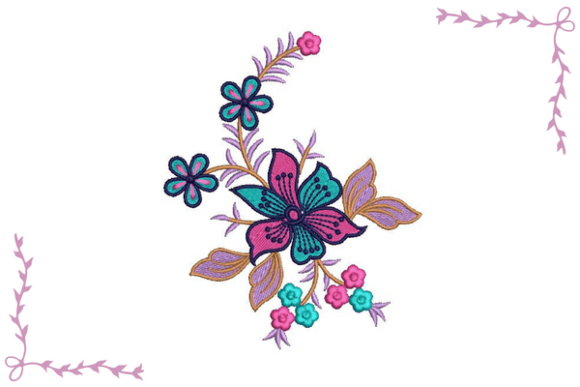
Flower Leaf: A Designer’s Review for Holiday Collections
As an embroidery designer who spends countless hours digitizing and testing patterns, I know that not every design belongs in every seasonal collection. When I first loaded the Flower Leaf machine embroidery design into my software, I was immediately struck by its versatility. It does not scream "holiday" in a literal sense, like a snowflake or a pumpkin might, but it possesses a timeless elegance that fits perfectly into the broader narrative of gift-giving and home celebration. This review is written from the perspective of a creator planning a real-world product line for the upcoming festive season, evaluating how this pattern performs on actual goods rather than just on a screen.
The First Impression: Mood and Aesthetic Appeal
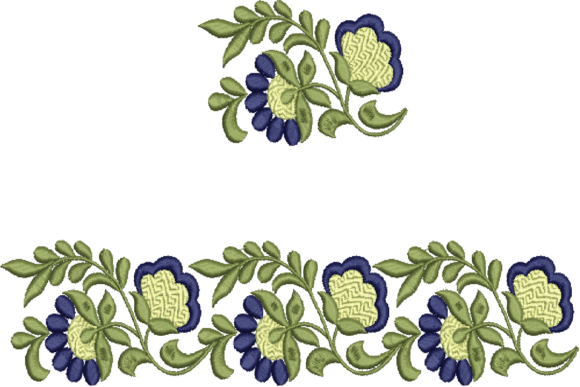
The initial visual impact of Flower Leaf is one of refined natural beauty. The interplay between the floral elements and the surrounding foliage creates a balanced composition that feels both organic and structured. For a seasonal shop owner, this is crucial. During the holidays, customers are often looking for items that feel special yet usable year-round. This design bridges that gap. It carries a romantic and slightly rustic tone, making it ideal for buyers who appreciate a handmade aesthetic without wanting something overly kitschy.
The detail level is significant but not overwhelming. In my experience, designs with too much fine detail can get lost on textured fabrics, while those with too little can look cheap. Flower Leaf strikes a middle ground, offering enough intricacy to showcase the quality of your stitching while remaining clear and recognizable from a distance. This makes it a strong candidate for Wedding Flowers categories as well, allowing you to market the same digital embroidery file across multiple seasons, maximizing your return on investment.
Strategic Product Placement for Holiday Sales
When building a holiday collection, context is everything. I tested the concept of using Flower Leaf on various substrates to see where it would resonate most with shoppers. Here is how I envision this design performing in a real retail environment:
- Sweatshirt Embroidery: Placing this design on the left chest of a high-quality hoodie or crewneck creates a premium, boutique feel. It appeals to customers looking for comfortable yet stylish gifts for friends and family.
- Kitchen Towel Embroidery: Hostess gifts are a huge market in December. A set of linen towels featuring this motif adds a touch of sophistication to any kitchen, making it an easy add-on item at craft fairs.
- Tote Bag Design: Canvas totes are practical and popular. The sturdy fabric holds the stitches well, and the nature-inspired theme appeals to eco-conscious shoppers looking for reusable gift wrap alternatives.
- Pillow Cover Accents: For home decor, embroidering this onto neutral-toned pillow covers can refresh a living room for the season without committing to specific holiday colors like red or green.
- Embroidered Patch: Creating iron-on or sew-on patches allows customers to customize their own jackets or bags. This is a low-cost, high-margin product that works well for impulse buys.
By diversifying the application, you transform a single embroidery file into a cohesive product line. This approach helps Etsy sellers and small shop owners create a visually consistent brand presence across different categories.
Navigating Technical Challenges and Fabric Choices
While Flower Leaf is versatile, a professional designer must acknowledge where caution is needed. Not every fabric or hoop size will yield perfect results. Here are the technical considerations I noted during my mental simulation of the stitching process:
Fabric Texture and Stabilizer: The success of any commercial embroidery project depends heavily on the stabilizer. For stretchy garments like sweatshirts, a cut-away stabilizer is non-negotiable to prevent puckering. On woven fabrics like kitchen towels, a tear-away might suffice, but you must test the stitch density. If the design is dense, it could stiffen lightweight fabrics, making them less pleasant to touch. Always check the fabric texture before finalizing your product lineup.
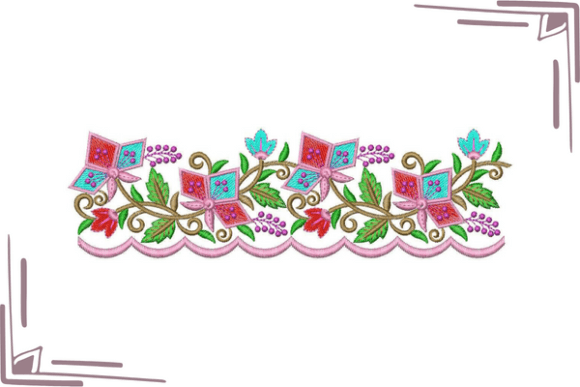
Thread Colors and Contrast: The description mentions a "colorful look," which suggests the design shines with varied thread colors. However, for holiday products, consider how these colors interact with dark fabrics. If you plan to offer black or navy apparel, you may need to adjust the thread palette to ensure visibility. Metallic threads can add a festive sparkle, but they require slower machine speeds and careful tension adjustments to avoid breakage.
Hoop Size and Placement: Before selling, confirm the hoop size required for the full design. If you are working with smaller items like baby bibs or curved caps, you might need to resize the pattern. Be cautious when resizing; shrinking it too much can cause thread breaks and loss of detail, while enlarging it too much can expose gaps in the stitching. Always stitch out a test sample on the actual garment type you intend to sell.
Enhancing Buyer Emotion and Brand Value
In the crowded marketplace of handmade gifts, emotional connection drives sales. Flower Leaf contributes to this by evoking feelings of warmth, care, and attention to detail. When a customer receives a personalized gift featuring this design, they perceive it as thoughtful and high-quality. This perception builds customer trust and encourages repeat business.
For social media previews and printable mockups, this design photographs beautifully. The natural lines and organic shapes create interesting shadows and highlights that look great in flat-lay photos. Use these visuals to tell a story about your brand—perhaps focusing on the idea of bringing nature indoors during the cold winter months. This narrative can differentiate your small shop product from mass-produced alternatives.
Practical Notes for the Commercial Embroiderer
Before you list Flower Leaf as part of your seasonal inventory, take these final steps to ensure professionalism and quality:
- Verify Licensing: Ensure you have the correct commercial license for the digital embroidery file. Terms vary by designer, so read the documentation carefully to avoid legal issues.
- Create Realistic Mockups: Do not rely solely on digital simulations. Stitch the design on actual fabric and take high-resolution photos. Customers want to see the true texture and sheen of the threads.
- Test Wash Durability: Holiday gifts are often used and washed frequently. Test your finished product through several wash cycles to ensure the threads do not bleed or fray excessively.
- Plan Color Palettes: Offer curated color combinations. Instead of letting customers guess, provide "Winter White," "Festive Red," or "Evergreen" options. This simplifies the buying decision and enhances the seasonal appeal.
In conclusion, Flower Leaf is a strong contender for any embroidery designer’s holiday toolkit. It offers the flexibility to cross over from Wedding Flowers into everyday home decor and apparel, extending its shelf life beyond a single season. By paying attention to technical details like stabilizer choice and thread contrast, and by marketing it through the lens of emotional gifting, you can create a successful, profitable product line that resonates with customers looking for meaningful, handmade treasures.