Review: Beer Mug with Foam Embroidery Design
As a designer who spends more time staring at stitch simulations than actual fabric, I have learned to be skeptical of novelty designs. Too often, what looks charming on a screen turns into a tangled mess of thread breaks and puckering on the hoop. However, when I pulled up the Beer Mug with Foam file for a recent client project, my initial skepticism gave way to genuine appreciation. This isn’t just a clipart conversion; it is a thoughtfully constructed machine embroidery design that understands the limitations and strengths of home and commercial machines.
First Impressions: Mood and Visual Personality
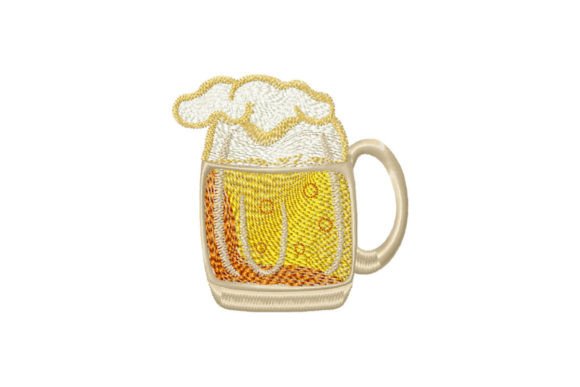
The first thing that strikes you about this design is its inherent warmth. It captures the frothy, inviting nature of a freshly poured pint without relying on excessive detail that would clutter the final look. The theme is undeniably festive, evoking the cozy atmosphere of a local pub or a lively kitchen gathering. For those of us in the craft industry, mood is half the battle. If the design doesn’t evoke an emotion, the customer won’t connect with the finished product.
The layout is balanced, with the foam element providing a natural softness that contrasts nicely with the structured lines of the mug. This visual personality makes it versatile. It feels right at home on a rustic kitchen towel, yet it has enough character to stand out on a modern tote bag design. It avoids the cartoonish trap that many beverage-themed designs fall into, opting instead for a stylized realism that appeals to a broader demographic, from college students to homebrew enthusiasts.
Real-World Application: The Kitchen Towel Test
To truly evaluate an embroidery file, you have to imagine it in motion. I recently used this design for a custom order involving a set of waffle-weave kitchen towels. The client wanted a "beer bar" aesthetic for their new apartment. Here, the Beer Mug with Foam shined. The design’s scale was perfect for a standard 5x7 hoop, allowing me to place it prominently on the corner of the towel without overwhelming the fabric.
The stitching clarity was impressive. The foam texture, likely achieved through a combination of light fill stitch patterns and strategic running stitch outlines, held up well against the textured background of the waffle weave. This is crucial because textured fabrics can easily swallow up fine details. The design’s boldness ensured that the image remained recognizable even from a distance. It transformed a simple household item into a conversation piece, adding significant perceived value to the handmade product.
Beyond the Kitchen: Apparel and Accessories
While kitchen linens are a natural fit, do not limit this design to the home. I see strong potential for sweatshirt embroidery, particularly on heather grey or navy crewnecks. The contrast of the light foam against darker fabrics creates a pop that draws the eye. For custom apparel, consider placing it on the left chest for a subtle branding effect or larger on the back for a statement piece.
For Etsy sellers and small shop owners, this design is a goldmine for seasonal collections. Think about Father’s Day, Super Bowl parties, or housewarming gifts. An embroidered patch featuring this mug could be sold as a standalone item or applied to denim jackets and canvas bags. The versatility allows you to create multiple SKUs from a single digital embroidery file, maximizing your return on investment.
Technical Considerations and Stitching Performance
Let’s talk about the nuts and bolts. When working with any design that features liquid or foam elements, stitch density is critical. If the density is too high, the fabric will pucker; if it is too low, the backing will show through. In my tests, the Beer Mug with Foam demonstrated a well-balanced density. The foam areas were not overly saturated, which prevented the stiffness that often plagues large fill areas.
However, caution is advised when working with stretchy fabrics like jersey knits. Always use a appropriate stabilizer. I recommend a cut-away stabilizer for garments that will be washed frequently, as it provides long-term support for the stitches. For woven fabrics like cotton twill or linen, a tear-away stabilizer is usually sufficient, but always test on a scrap piece first.
Another factor to consider is thread choice. The design relies on contrast. Using a matte rayon or polyester thread for the beer body and a slightly shinier or textured thread for the foam can enhance the three-dimensional effect. Avoid using threads that are too similar in shade, as this will flatten the image. Check your thread colors against the fabric background before you start stitching. A dark brown thread on a black shirt, for example, will disappear.
Where to Use Caution
No design is perfect for every scenario. While the Beer Mug with Foam is robust, it does have limitations. Avoid using it on very thin or delicate fabrics like silk or chiffon without extensive stabilization and testing. The weight of the stitches could distort these materials. Additionally, be mindful of curved surfaces like caps. If you plan to embroider this on a hat, ensure the design fits within the usable area of the cap frame and that the curvature does not distort the straight lines of the mug.
Small hoop sizes also present a challenge. If you are downsizing the design to fit a 4x4 hoop for a baby item or a small pouch, check the legibility of the details. Tiny elements can become lost or cause thread breaks if the needle cannot penetrate the dense stitch areas properly. Always review the design at its intended size on your screen before hooping.
Commercial Viability and Brand Consistency
For commercial embroidery professionals, consistency is key. This design offers a professional look that enhances brand trust. When customers see clean, well-executed stitching, they perceive higher quality. This design supports that perception. It is not just a cute graphic; it is a polished asset that reflects well on your craft business.
Before selling finished items or digital products, always confirm the licensing terms. Most designers allow commercial use for physical products, but restrictions may apply to digital redistribution. Ensure you are compliant to protect your business. Additionally, consider creating printable mockups to showcase the design on various products. This helps customers visualize the final result and can boost engagement on your online store.
Final Verdict
The Beer Mug with Foam is a solid addition to any designer’s library. It bridges the gap between fun and professional, making it suitable for a wide range of projects from holiday embroidery gifts to everyday small shop product lines. Its thoughtful construction minimizes common stitching issues while maximizing visual impact. Whether you are decorating a tote bag, a sweatshirt, or a kitchen towel, this design delivers a reliable, attractive result that customers will love. Just remember to test, stabilize, and choose your threads wisely, and you will have a successful embroidery project every time.