Reviewing the Flag of Guinea Embroidery Design
As a designer who spends more time staring at stitch maps than finished garments, I have learned that national flags are deceptively tricky to digitize. They look simple on paper—bold blocks of color, clean lines—but translating that simplicity into thread requires a keen eye for density and edge definition. When I pulled up the Flag of Guinea machine embroidery design for a recent client project, my initial reaction was one of cautious optimism. The vertical tricolor layout is iconic, but in the world of Around The World themed Embroidery, execution is everything.
First Impressions: Simplicity Meets Structure
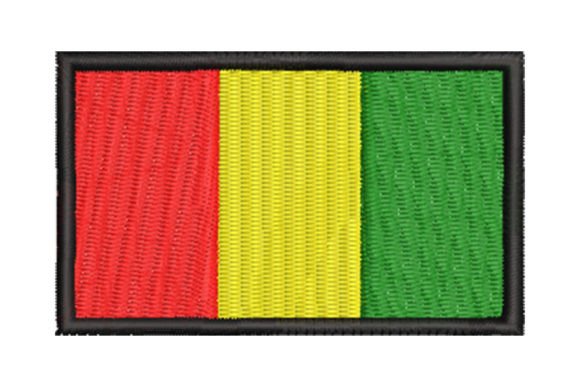
The first thing that strikes you about this design is its graphic clarity. There is no unnecessary clutter. The design relies heavily on solid fill stitches to represent the red, yellow, and green vertical bands. For an experienced eye, this signals a need for precision. Unlike complex floral motifs where a stray stitch might hide among petals, a flag design leaves nowhere for errors to conceal themselves. The edges must be crisp, and the color transitions sharp.
I appreciated the visual balance immediately. The proportions appeared true to the standard flag ratios, which is crucial for authenticity. Whether you are creating a personalized gift for a diaspora community member or adding a cultural accent to a boutique clothing line, accuracy builds trust. The design feels modern and respectful, avoiding the cartoonish exaggeration sometimes seen in lower-quality digital embroidery files.
Real-World Application: The Tote Bag Test
To truly evaluate a design, you have to imagine it stitched out. I visualized this Flag of Guinea design on a heavy canvas tote bag. This is a popular item for Etsy sellers and craft business owners looking to create meaningful, culturally relevant merchandise. On canvas, the fill stitches would sit beautifully, providing a textured, raised effect that adds tangible value to the handmade product.
However, I also considered its use on custom apparel. Imagine this on the left chest of a navy blue sweatshirt. The contrast between the bright yellow center band and the dark fabric would pop, while the red and green would anchor the design. For sweatshirt embroidery, the design’s lack of fine, fragile details is a benefit. It is robust enough to withstand the wear and tear of daily use, making it ideal for streetwear or casual uniforms.
Another strong candidate for this design is the embroidered patch. Patches have seen a resurgence in popularity, and a flag design translates perfectly to this medium. The compact nature of the vertical stripes allows for a clean border, whether you choose a satin stitch border or a merrowed edge finish. This versatility makes it a strong asset for small shop products aimed at travelers, students, or heritage celebrations.
Navigating Technical Challenges
While the design is visually appealing, it demands technical respect. The primary challenge with any flag design involving large solid areas is stitch density. If the density is too high, the fabric will pucker, especially on lighter materials. If it is too low, the backing fabric or stabilizer might show through, ruining the professional look of the finished product.
I recommend testing this design on scrap fabric before committing to your final piece. Pay close attention to the stabilizer choice. For stretchy fabrics like jersey t-shirts or baby clothes, a cut-away stabilizer is non-negotiable to prevent distortion. For woven fabrics like cotton twill or linen, a tear-away might suffice, but always test first.
Be cautious with hoop size constraints. While the design is likely available in multiple sizes, shrinking it too much can cause the individual color bands to merge or lose definition. The yellow center band, being potentially narrower depending on the aspect ratio, needs enough space to breathe. If you are working on a cap or curved surface, ensure your digitizing software or the provided file accounts for push-and-pull compensation. Without proper compensation, the vertical lines may bow outward, distorting the flag’s geometry.
Color Contrast and Fabric Selection
The success of the Flag of Guinea design hinges on thread color selection. The red, yellow, and green are vibrant, but they interact differently with various fabric backgrounds. On white or light-colored fabrics, the colors will appear true and bright. However, on dark fabrics, you must consider underlay stitches. A good machine embroidery design will include appropriate underlay to prevent the dark fabric from peeking through the lighter yellow thread.
I advise checking the thread colors against your specific brand preferences. Some digital files come with pre-set color palettes that may not match the official flag shades perfectly. Take the time to adjust the thread chart in your embroidery software to ensure the red is vivid and the green is deep, rather than neon or muted, unless that is your intentional stylistic choice for a vintage look.
For baby embroidery items, such as onesies or bibs, consider the softness of the threads. Standard polyester threads are durable, but for sensitive skin, you might opt for rayon or specialized soft threads. Keep in mind that softer threads can sometimes behave differently in fill stitches, potentially requiring slight tension adjustments.
Commercial Viability and Brand Consistency
For commercial embroidery projects, consistency is key. If you are producing a batch of items for a cultural festival or a national holiday promotion, this design offers a recognizable symbol that resonates emotionally with customers. It enhances buyer engagement because it speaks to identity and pride.
When using this in a printable mockup for your online store, ensure the digital representation matches the stitched reality. Customers appreciate transparency. Show close-up shots of the stitch quality to highlight the cleanliness of the color boundaries. This builds customer trust and reduces return rates due to unmet expectations.
Before selling any design assets or finished items featuring this flag, always confirm the licensing terms. While flags are generally in the public domain, the specific digitization of the Flag of Guinea may be copyrighted by the creator. Respect intellectual property rights to maintain professionalism in the craft business community.
Final Verdict
The Flag of Guinea embroidery design is a solid addition to any designer’s library, particularly those focusing on global themes or cultural heritage. It is not just a decorative element; it is a statement piece. Its strength lies in its bold simplicity, but its success depends on your technical execution. By paying attention to stabilizer choice, fabric texture, and color accuracy, you can transform this digital file into a high-value personalized gift or a best-selling tote bag design.
Remember, the best embroidery projects are those where the technique serves the message. In this case, the clean lines and vibrant colors serve to honor a nation’s identity. Treat the design with care, test thoroughly, and let the quality of your stitching speak for itself. Whether for holiday embroidery gifts or everyday custom apparel, this design has the potential to stand out in a crowded market if handled with the precision it deserves.