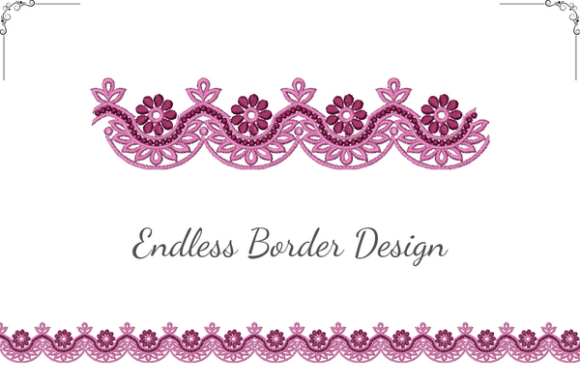
Stylist Border: A Designer’s Craft Fair Review
As an embroidery designer who has spent countless weekends behind a booth table, I know that not every design translates well from the screen to the sales floor. When I first loaded the Stylist Border into my software, I was looking for that specific spark—a design that stops a passerby in their tracks. This endless border embroidery design promises a beautiful floral aesthetic suitable for pillows, towels, and apparel. But does it hold up under the harsh lighting of a craft fair tent? After stitching out several samples and testing it on various fabrics, I am ready to share my honest assessment of how this piece performs as a commercial product.
First Impressions: Visual Appeal and Market Fit
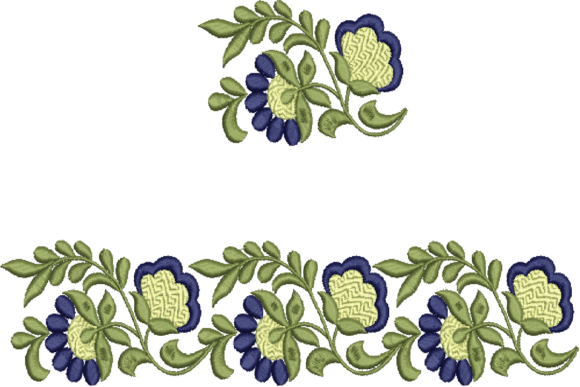
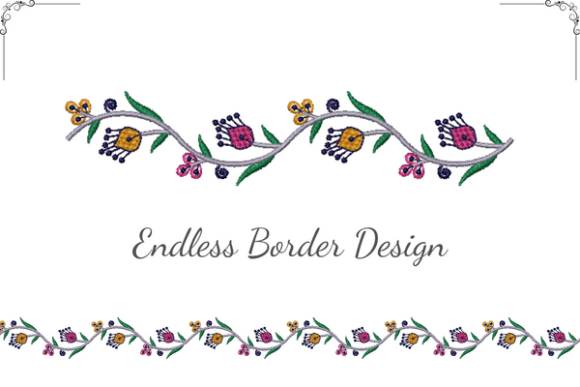
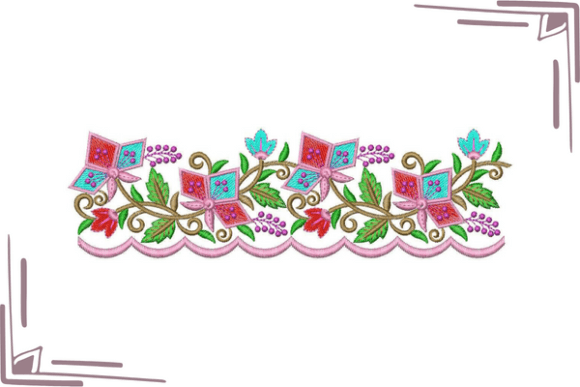
The immediate impression of Stylist Border is one of versatile elegance. It does not scream "rustic" nor does it feel overly modern or minimal. Instead, it strikes a balance that I often describe as "accessible premium." The floral elements are detailed enough to show off the quality of your machine work, yet open enough to remain readable from a distance. For a craft fair seller, this is crucial. Customers walking by your table have mere seconds to decide if they want to stop. A design that is too dense or tiny gets lost; a design that is too simple can look cheap. This border sits comfortably in the sweet spot, offering a colorful look that suggests high-quality handmade care.
Because it is an endless border, the design offers incredible flexibility. You are not locked into a single hoop size or placement. This adaptability makes it a strong contender for a diverse inventory. Whether you are aiming for a farmhouse vibe with linen tea towels or a boutique feel with canvas tote bags, the floral motif adapts to the fabric texture rather than fighting against it.
Product Applications: Where This Design Shines
To truly evaluate a machine embroidery design, you must test it across different substrates. Here is how Stylist Border performed on key craft fair products:
- Tote Bags and Market Bags: This is arguably the strongest application. Running the border along the bottom hem or vertically up the side of a canvas tote creates a custom, high-end look. The continuous nature of the pattern allows you to extend the design as far as your hoop permits, making each bag feel unique.
- Tea Towels and Kitchen Linens: Floral borders are perennial bestsellers in the kitchen category. On waffle weave or flour sack towels, the design adds a pop of color without overwhelming the utility of the item. It transforms a basic towel into a giftable handmade product.
- Aprons: An apron with a embroidered hem sells itself. The Stylist Border works beautifully along the bottom edge or the bib. It appeals to home cooks who want their kitchen gear to match their decor.
- Pillow Covers: For home decor, framing a pillow insert with this border adds a soft, decorative touch. It feels less like a manufactured item and more like a curated piece of interior design.
- Apparel and Caps: While possible, curved surfaces like caps require careful hooping. The design works best on flat panels. For apparel, consider placing it on the hem of a t-shirt or the cuff of a sleeve for a subtle, stylish accent.
Production Practicality for Small Shop Owners
For Etsy sellers and boutique makers, time is money. One of the biggest advantages of Stylist Border is its repeatability. Because it is an endless pattern, you can standardize your production process. You do not need to create new layouts for every item; you simply align the border and stitch. This consistency is vital for batch production during the holiday rush.
Photography is another critical factor. This design photographs exceptionally well. The floral details provide natural points of interest for close-up shots, while the linear structure allows for clean, composed flat-lay images. If you are creating digital listings, this design lends itself well to printable mockups, helping you visualize the final product before you even thread your needle.
Careful-Use Notes and Technical Considerations
While the design is robust, there are technical nuances to consider. Always check the stitch density provided in the file details. If the density is high, you must use an appropriate stabilizer to prevent puckering, especially on lighter fabrics like voile or thin cotton. On textured towels, ensure your needle is sharp enough to penetrate the loops without skipping stitches.
Color selection is paramount. Since the description mentions a "colorful look," do not be afraid to experiment with thread colors. However, avoid low-contrast combinations on dark fabrics unless you are using a metallic or bright white thread to make the flowers pop. Tiny details in floral designs can sometimes get lost if the thread tension is off, so always run a test stitch on scrap fabric first.
Additionally, verify the hoop size compatibility. While endless borders are flexible, you need to ensure your machine can handle the repeat length you desire. If you are selling finished products, confirm that the scale of the flowers looks proportional to the item. A massive flower on a small coin purse may look cluttered, whereas the same flower on a large market bag looks luxurious.
Enhancing Brand Consistency and Buyer Engagement
Using a signature design like Stylist Border can help build brand recognition. If customers see your distinct floral border on multiple items—towels, bags, and aprons—they begin to associate that aesthetic with your shop. This visual consistency strengthens your booth display and makes your online store feel cohesive.
From a buyer engagement perspective, this design invites touch. Embroidery has a tactile quality that printed designs lack. When customers can feel the raised stitches of the flowers, the perceived value of the item increases. It justifies a higher price point because it clearly communicates the labor and skill involved in creating the piece.
Final Verdict for Commercial Embroidery
Before adding Stylist Border to your permanent lineup, treat it like any other digital embroidery file. Check the commercial licensing terms explicitly. Ensure you have the rights to sell finished products made with this design. Once cleared, I recommend creating at least three distinct mockups: one on a light neutral fabric, one on a bold color, and one on a textured material. Compare them side-by-side to determine which thread palettes yield the highest visual impact.
In conclusion, Stylist Border is a reliable, attractive asset for any embroidery business. It bridges the gap between decorative flair and practical application. For craft fair sellers looking to elevate their small shop product offerings, this border provides the professional polish needed to stand out in a crowded market. It is not just a design; it is a tool for creating memorable, sellable handmade goods.