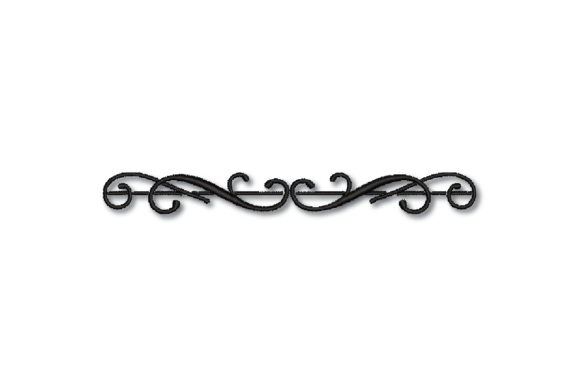
Abstract Line Art: A Designer’s Review for Modern Embroidery
As an embroidery designer who spends countless hours digitizing and testing files for commercial use, I have learned that not every machine embroidery design is created equal. Some are overly complex, while others lack the structural integrity needed for a professional finished product. Recently, I evaluated Abstract Line Art from Creative Fabrica to determine if it holds up under the scrutiny of real-world production. This review focuses on its practical application for small business owners, Etsy sellers, and crafters looking to elevate their handmade offerings.
First Impressions: Minimalism Meets Precision
The immediate appeal of Abstract Line Art lies in its understated elegance. In a market saturated with dense, colorful motifs, this collection offers a refreshing departure into modern minimalism. The visual mood is clean and contemporary, relying on the interplay of negative space and precise linework rather than heavy saturation. For designers specializing in modern home decor or chic apparel, this aesthetic is invaluable.
The detail level is sophisticated yet manageable. The lines flow with a natural rhythm, suggesting movement without becoming chaotic. This makes the embroidery file particularly versatile. It does not scream for attention but rather complements the fabric it sits on. Whether you are working with linen, cotton, or poly-blends, the design respects the texture of the material. It feels less like a stamped image and more like an integrated part of the textile, which is crucial for high-end custom apparel and boutique merchandise.
Real-World Applications for Commercial Projects
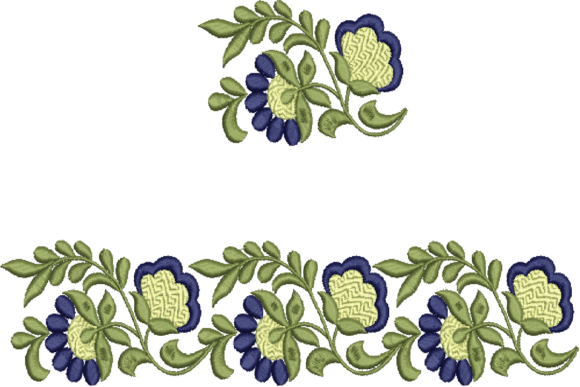
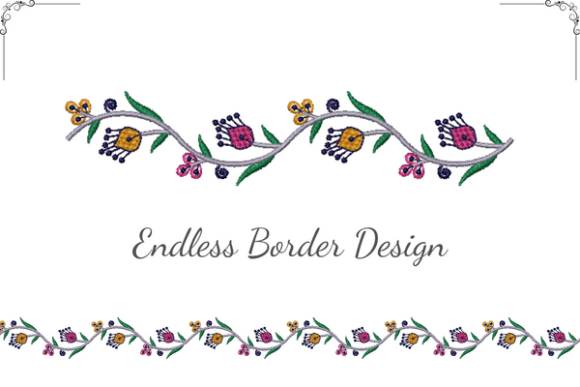
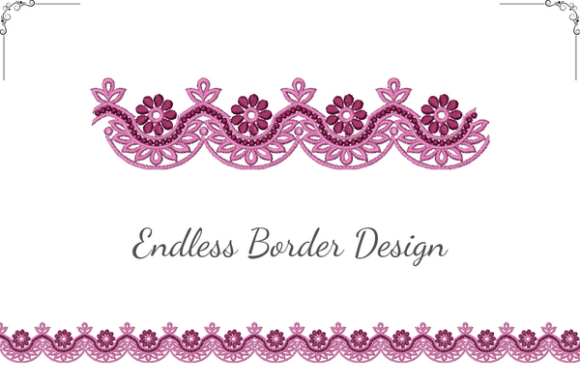
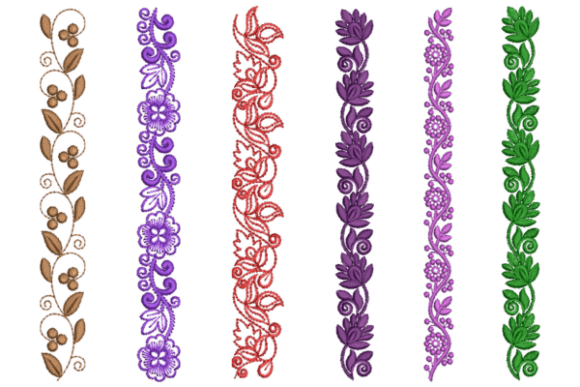
When considering a new digital embroidery file, I always ask: "Where will this sell?" Abstract Line Art fits seamlessly into several profitable niches. Its adaptability makes it a strong candidate for various Borders and standalone motifs across different product lines.
- Tote Bag Design: The linear nature of the artwork looks exceptional on canvas totes. It provides a stylish accent that appeals to eco-conscious shoppers who prefer subtle branding over loud graphics.
- Sweatshirt Embroidery: Placed on the chest or sleeve, these abstract lines add a touch of sophistication to casual wear. It transforms a basic hoodie into a curated fashion piece.
- Kitchen Towels and Aprons: For home goods, the design adds a artisanal feel. It works beautifully as a border element, framing the edge of a towel without overwhelming the utility of the item.
- Embroidered Patch: The clean outlines are ideal for patch creation. They stitch out clearly on twill or felt, making them perfect for iron-on applications for jackets or bags.
- Nursery Decor: Soft, abstract lines can serve as gentle, gender-neutral accents for baby blankets or pillow covers, appealing to parents seeking modern aesthetics.
For Etsy listings and craft fair products, this type of design assets helps differentiate your brand. It signals to buyers that you offer contemporary, thoughtfully crafted items rather than generic, mass-produced goods.
Technical Performance and Stitching Considerations
While the visual appeal is strong, the technical execution is where a design truly proves its worth. Abstract Line Art relies heavily on precision. Since the description notes that any alteration may affect the output, it is vital to approach these files with respect for their original digitization.
The design likely utilizes a combination of running stitch and fine satin stitch elements to achieve its sleek look. This means stitch density is generally lower than fill-heavy designs, which is advantageous for stretchy fabrics like jersey knits used in t-shirts. However, lower density also means the stability of the fabric becomes more critical. Using the correct stabilizer is non-negotiable. For lightweight fabrics, a cut-away stabilizer ensures the lines remain crisp and do not pucker after washing.
One must be cautious with hoop size selection. If the abstract line extends to the edges of the design area, ensure your hoop can accommodate the full span without distortion. For curved surfaces like caps, test the design on a similar curvature before committing to a final product. The tension settings on your machine must be balanced; too tight, and the delicate lines may pull the fabric; too loose, and the definition of the abstract shape may be lost.
Regarding thread colors, this design shines with contrast. A monochromatic look using matte threads can create a subtle, textured effect, while high-contrast threads make the abstract shapes pop. Always check how the thread sheen interacts with the fabric. Silk or rayon threads may add a luxurious highlight to the lines, enhancing the perceived value of the handmade product.
Enhancing Brand Value and Customer Trust
Incorporating Abstract Line Art into your product line can significantly impact buyer trust and brand consistency. Modern consumers are drawn to authenticity and quality. A well-executed abstract embroidery suggests a designer’s eye for detail. It elevates a simple personalized gift into a keepsake.
From a marketing perspective, these designs photograph exceptionally well. The clean lines translate beautifully in printable mockup scenarios and lifestyle photography. They do not clutter the image, allowing the product itself to remain the focal point. This visual clarity can improve customer engagement on social media platforms, where minimalist aesthetics often perform well.
Furthermore, using consistent design elements like these helps build a recognizable brand identity. If your shop specializes in modern, clean-lined goods, Abstract Line Art reinforces that narrative. It tells customers what to expect: quality, style, and attention to detail.
Practical Steps for Successful Implementation
Before launching any new design into your commercial workflow, rigorous testing is essential. The product description wisely reminds us to always run a sample. Here is a checklist for integrating Abstract Line Art into your production:
- Test on Scrap Fabric: Always stitch a sample on the exact fabric weight and type you intend to use for the final product. This reveals any potential puckering or thread breaks.
- Check Thread Contrast: Experiment with different thread colors against both light and dark fabrics. Ensure the abstract lines remain visible and aesthetically pleasing in all variations.
- Review Stitch Density: Inspect the back of the sample. Excessive buildup can cause stiffness, while too little may lead to instability. Adjust tension if necessary.
- Confirm Hoop Size: Verify that the design fits comfortably within your hoop, leaving adequate margin for clamping without distorting the fabric.
- Use Proper Stabilizer: Match the stabilizer to the fabric. Stretchy materials require cut-away, while woven fabrics may work well with tear-away, depending on the stitch type.
- Inspect Small Details: After stitching, examine the start and end points of the lines. Trim any jumps carefully to maintain a clean finish.
- Verify Licensing: Before selling commercial embroidery products, confirm the license terms on the Creative Fabrica product page. Ensure you are compliant with usage rights for finished goods.
It is important to note that specific technical details such as exact stitch count, file formats, or machine compatibility are not provided in the brief description. Therefore, downloading a single design to test compatibility with your specific machine software is a prudent first step. Never assume universal compatibility without verification.
Final Verdict
Abstract Line Art is a valuable addition to the library of any serious embroidery entrepreneur. It bridges the gap between artistic expression and commercial viability. Its strength lies in its versatility and modern appeal, making it suitable for a wide range of Embroidery projects from applique design accents to standalone statements on apparel.
For those willing to invest the time in proper testing and stabilization, this collection offers a pathway to creating distinctive, high-quality handmade gifts and boutique items. It encourages a focus on craftsmanship and presentation, key drivers of success in the competitive handmade marketplace. By treating each file with the care it deserves, you can transform these abstract lines into tangible value for your customers and your brand.