Bullmastiff Embroidery: A Designer’s Real-World Review
As an embroidery designer who has spent years digitizing and testing thousands of files, I approach every new machine embroidery design with a critical eye. It is not enough for a design to look good on a screen; it must perform flawlessly under the needle. Recently, I evaluated the Bullmastiff design, a realistic piece aimed at dog lovers and trendy embroidery enthusiasts. My goal was to determine if this file holds up in real-world production scenarios, from small craft fairs to high-volume custom apparel orders.
First Impressions: Capturing the Breed’s Personality
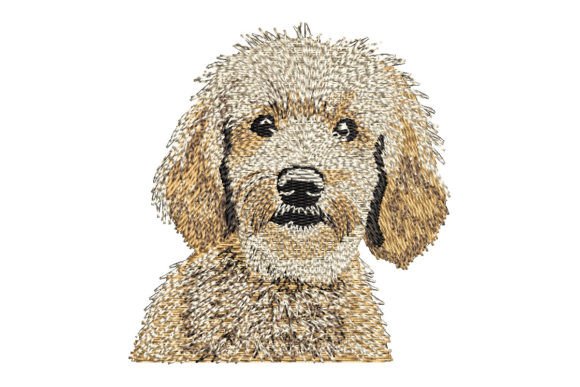
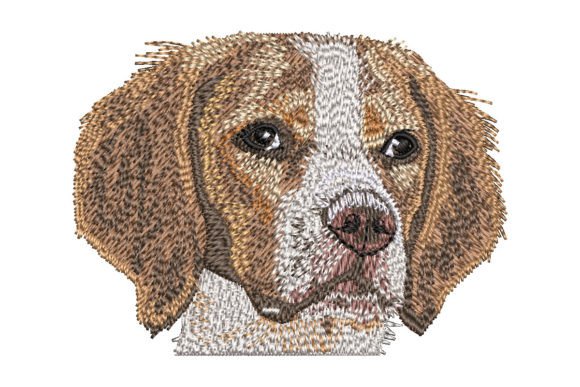
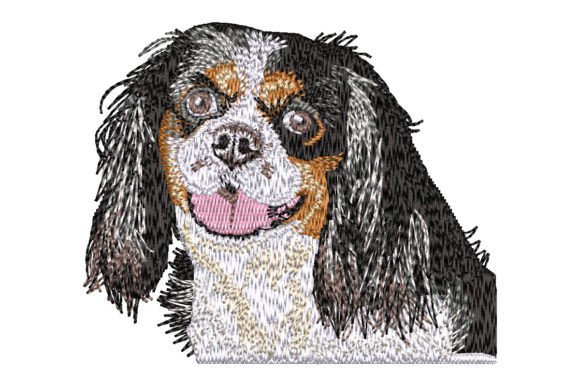
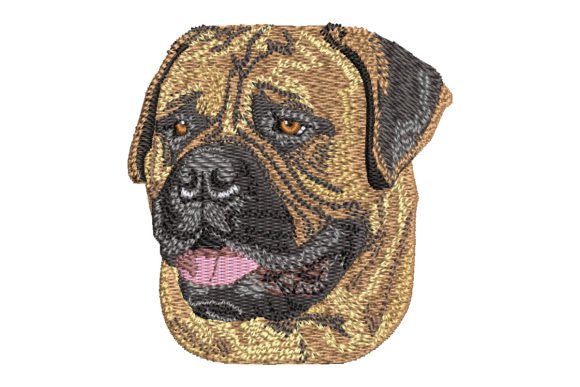
The first thing that strikes you about the Bullmastiff design is its commitment to realism. Unlike cartoonish or overly simplified vector art, this design attempts to capture the charming features and dignified presence of the breed. The layout is balanced, focusing on the head and facial structure, which is crucial for breed recognition. For a designer, this means the visual personality is strong immediately. It does not rely on excessive text or cluttered backgrounds to make a statement. Instead, it lets the intricate detailing of the fur and expression do the heavy lifting.
This mood creates a sense of warmth and loyalty, making it an ideal candidate for personalized gifts. When I previewed the design, I noted that the level of detail suggests a higher stitch count, which typically translates to a richer texture on the finished product. However, realism in embroidery is a double-edged sword. It requires precise tension and high-quality thread to avoid looking muddy. The design’s success hinges on how well the digitizer has managed the transition between light and shadow areas using thread colors.
Real-World Application: From Tote Bags to Sweatshirts
To truly test the viability of the Bullmastiff file, I imagined several common production scenarios. Let’s consider a custom embroidered tote bag. This is a popular item for Etsy sellers and small shop owners. On a canvas tote, the fabric is stable and thick, providing an excellent base for detailed work. The design’s realistic nature would stand out beautifully against natural cotton or linen, appealing to customers who appreciate subtle, high-quality craftsmanship rather than loud, novelty graphics.
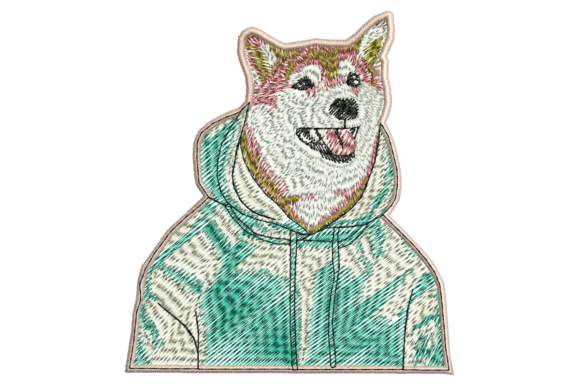
Another strong use case is sweatshirt embroidery. Here, the texture of the fleece or French terry fabric interacts with the stitches. A realistic dog portrait can look stunning on a chest-left placement or as a larger back piece. The key is ensuring the design scales correctly. If the Bullmastiff design is too small, the intricate details might merge into a blob. If it is too large, the stitch density could make the garment stiff and uncomfortable. For a craft business, offering this design on premium hoodies could significantly boost perceived value, positioning the brand as a provider of luxury handmade products.
I also considered its use in nursery decor. Dog lovers often want to incorporate their pets into their home aesthetics. A pillow cover or blanket featuring this design could serve as a heartfelt holiday gift or a permanent fixture in a living room. The emotional connection buyers have with their pets drives sales in this niche, making the Bullmastiff a potentially high-converting asset for digital product sellers who offer customization options.
Technical Considerations and Fabric Challenges
While the aesthetic appeal is high, practical application requires caution. Realistic designs often utilize complex fill stitches and varied thread directions to mimic fur. This can be problematic on stretchy fabrics like jersey knits used in t-shirts. Without proper stabilization, the design may pucker or distort. I strongly advise using a cut-away stabilizer for any knit garment to ensure the Bullmastiff retains its shape after washing.
Dark fabrics present another challenge. If the design relies on subtle shading, it may get lost on black or navy material. In such cases, using a lighter underlay or adjusting the thread colors to include brighter highlights is essential. I recommend testing the design on scrap fabric first, specifically in black and white mockups, to check for contrast issues. If the details disappear in grayscale, they will likely lack definition on dark textiles.
Curved surfaces, such as caps, require extra attention. The front panel of a cap is small and structured. If the Bullmastiff design is intended for hats, it must be scaled down appropriately. Dense stitch areas on a curved surface can cause the cap to warp. Additionally, tiny details near the edges of the hoop might not stitch out cleanly if the fabric shifts. For caps, a simplified version or an applique design approach might be more effective, though this specific file appears to be a full-embroidery realistic portrait.
Enhancing Brand Value and Customer Trust
For commercial embroidery projects, the quality of the design directly impacts brand consistency and customer trust. A poorly stitched realistic dog can look amateurish, damaging the reputation of a boutique brand. Conversely, a crisp, well-executed Bullmastiff embroidery signals professionalism. It shows that the maker cares about detail and quality.
This design can enhance buyer engagement by offering a unique alternative to generic clip art. In a saturated market, distinctive design assets help shops stand out. When customers see a lifelike representation of their favorite breed, they are more likely to perceive the item as a premium personalized gift rather than a mass-produced commodity. This perception allows for higher pricing margins, which is crucial for sustainable craft businesses.
Practical Notes for Designers and Makers
Before integrating the Bullmastiff into your product line, consider these practical steps:
- Check Stitch Density: Review the file details to understand the density. High density may require heavier needles and slower machine speeds.
- Verify Hoop Size: Ensure the design fits within your available hoop sizes without excessive resizing, which can distort proportions.
- Test Thread Colors: Realism depends on accurate color blending. Use a variegated thread or carefully matched shades to enhance the fur texture.
- Inspect Small Details: Zoom in on the eyes and nose. These focal points must be clean and sharp. If they appear jagged, adjust your tension or needle size.
- Confirm Licensing: Always check the license terms before selling finished items. Some digital embroidery files allow commercial use, while others are for personal use only.
- Use Proper Stabilizer: Match the stabilizer to the fabric. Tear-away for woven, cut-away for knits, and wash-away for delicate materials.
In conclusion, the Bullmastiff design offers a compelling option for designers seeking realistic dog-themed embroidery. Its strength lies in its emotional resonance and detailed execution. However, success depends on thoughtful application. By respecting the technical requirements of realistic stitching and choosing the right substrates, makers can create stunning finished products that resonate with dog lovers everywhere. Whether for a small shop product or a special holiday embroidery project, this design has the potential to be a standout piece in your portfolio.