Shiba Wearing a Hood: A Designer’s Craft Fair Review
As an embroidery designer who has spent countless hours behind a sewing machine and even more time standing behind craft fair booths, I know that not every machine embroidery design is created equal. Some designs look fantastic on a screen but fall flat in person. Others are nightmares to stitch out due to poor digitizing. Today, I am reviewing Shiba Wearing a Hood, a charming piece from the Dogs category, specifically evaluating its potential as a high-converting craft fair product.
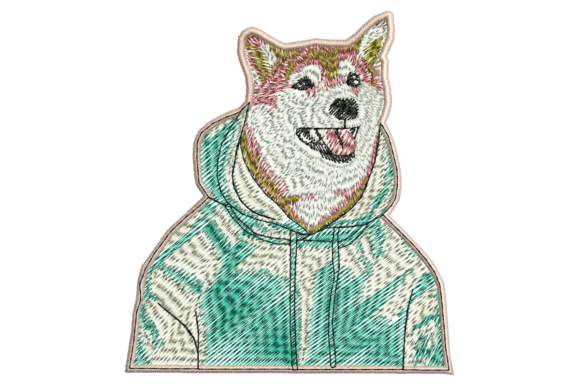
The premise is simple yet effective: a handsome Shiba dog wearing a hood. The description notes that it can be made into a patchwork and recommends light-colored fabrics. For those of us running small shops or Etsy stores, this specific guidance is the first clue to its commercial viability. Let’s break down why this design works, where it shines, and what you need to watch out for before you start batch-producing your next line of handmade products.
First Impressions: Modern Cute with a Rustic Edge
When I first loaded the digital embroidery file to inspect the preview, the immediate vibe was "modern cozy." The combination of a Shiba Inu—a breed that already carries significant internet fame and customer appeal—with a hood creates a narrative. It feels protective, cute, and slightly whimsical. It is not overly ornate or traditional; instead, it leans into a contemporary aesthetic that appeals to younger demographics and dog lovers alike.
The visual weight of the design suggests it is bold enough to be seen from a distance at a busy market stall, yet detailed enough to invite closer inspection. This balance is critical for a tote bag design or a statement apron. If a customer walking past your booth cannot identify the subject within three seconds, you have lost the sale. With Shiba Wearing a Hood, the silhouette is distinct, making it an excellent candidate for impulse buys.
Product Applications: Where This Design Sells Best
The recommendation to use light-colored fabrics is not just a suggestion; it is a strategic constraint that defines your product line. Here is how I would deploy this design across various items to maximize revenue:
- Tote Bags and Market Bags: This is the primary winner. A natural canvas tote with this Shiba centered on the front is a staple small shop product. The light fabric ensures the thread colors pop, and the size of a tote allows the design to breathe without feeling cramped.
- Apron Embroidery: Kitchenware is huge at craft fairs. An apron with this design on the bib area creates an instant emotional connection. It suggests warmth and home cooking, aligning perfectly with the "hooded" comfort theme.
- Tea Towel Embroidery: While tricky due to fabric texture, a high-quality linen tea towel can work if the stabilizer is chosen carefully. This makes for an affordable add-on item at checkout.
- Embroidered Patches: The description mentions patchwork potential. Creating iron-on or sew-on patches allows customers to customize their own jackets or bags. This lowers your production risk since you can batch-stitch patches on stable twill before the event.
- Pillow Covers: A neutral beige or cream pillow cover with this design serves as modern home decor. It moves the product from "cute dog item" to "interior design accent," allowing you to charge a premium price.
Production Practicality and Stitch Density
From a production standpoint, efficiency is key. When preparing for a weekend fair, I need designs that are repeatable and reliable. Shiba Wearing a Hood appears to rely on solid fills and clean outlines rather than excessive micro-detailing. This is good news for stitch density management. High-density designs can pucker lightweight fabrics like cotton tote bags, ruining the finished product.
However, you must verify the hoop size requirements. If the design is too large, it may not fit on standard cap frames or smaller pouches. If it is too small, the details of the Shiba’s face and the hood might merge, losing clarity. Always check the dimensions provided in the design assets package. For caps, the curved surface requires careful hooping and potentially a cut-away stabilizer to prevent distortion, especially if the design has any dense areas around the eyes or snout.
Careful-Use Notes for Dark Fabrics
The instruction to use light-colored fabrics is crucial. If you attempt to stitch this on black or navy denim, you will likely need to add a white underlay or background fill to make the Shiba visible. This increases stitch count and production time. For a craft fair environment, where speed and consistency matter, stick to creams, whites, light grays, and pastels. This ensures the thread colors remain vibrant and the design retains its intended charm without extra technical hurdles.
Visual Appeal and Brand Consistency
Consistency builds trust. If your brand focuses on cozy, handmade goods, Shiba Wearing a Hood fits seamlessly. It does not clash with rustic wood displays or minimalist booth setups. In fact, its simplicity enhances the perceived quality of your commercial embroidery work. Customers often equate clean, well-digitized lines with higher value. A messy or overly complex design can look cheap if not stitched perfectly; this design’s cleaner lines are more forgiving and look professional even at a glance.
Furthermore, this design photographs exceptionally well for online listings. Whether you are an Etsy seller creating a printable mockup or taking photos for Instagram, the contrast between the dog and the light fabric creates a sharp, engaging image. High-quality visuals drive online sales, and this design provides a strong focal point for your marketing materials.
Designer’s Checklist Before You Sell
Before you commit to producing fifty tote bags, follow these practical steps to ensure success:
- Test on Scrap Fabric: Never skip this. Stitch the design on the exact fabric weight you plan to sell. Check for puckering or thread breaks.
- Check Thread Contrast: Ensure your thread palette matches the preview. Sometimes, digital colors look different when stitched. Adjust shades to ensure the Shiba’s features are distinct.
- Review Spacing and Hoop Size: Confirm the design fits your equipment. If you are using a 4x4 hoop, ensure the design scales down without losing the "hood" detail.
- Inspect Stitch Density: If the design feels stiff after stitching, consider reducing density in non-critical areas if your software allows, or switch to a lighter stabilizer.
- Create a Real Mockup: Stitch one sample item and display it prominently. Real samples sell better than pictures alone.
- Confirm Commercial Licensing: Always verify that your purchase of the embroidery file includes a commercial license. Selling finished products without proper rights can lead to legal issues.
In conclusion, Shiba Wearing a Hood is a strong contender for your next craft fair lineup. It balances cuteness with modern design sensibilities, works well on high-demand items like totes and aprons, and is practical for batch production if you respect the fabric constraints. By focusing on light-colored materials and ensuring precise stitching, you can turn this Dogs category design into a best-selling Embroidery staple for your business.