Cat Letter R: A Designer’s Review for Craft Fairs
As an embroidery designer who has spent countless hours behind the hoop and even more time standing behind a booth table at weekend markets, I have learned that not all designs are created equal. Some look fantastic on a screen but fail to capture attention in person. Others are so complex they take forever to stitch, eating into your profit margins. Today, I am putting the Cat Letter R under the microscope. This isn't just about aesthetics; it is about viability. If you are an Etsy seller, a boutique maker, or a creative entrepreneur preparing for the busy Back To School season, you need to know if this design will actually sell.
First Impressions: Charm Meets Functionality
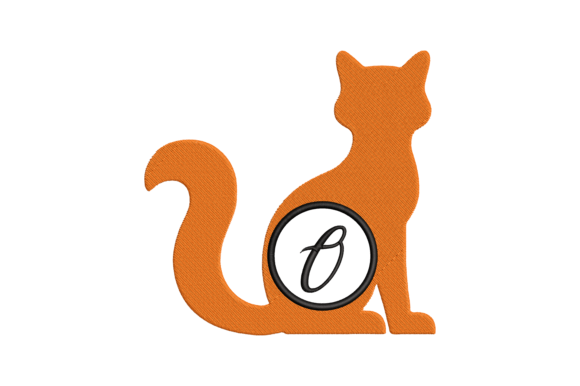
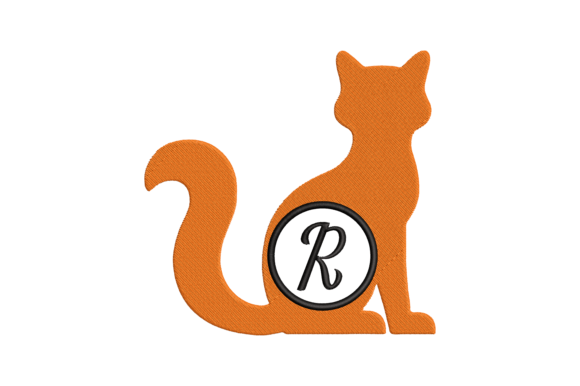
The first thing that strikes me about the Cat Letter R is its immediate readability mixed with whimsical charm. In the world of machine embroidery design, clarity is king. When a customer walks past your booth, they have roughly three seconds to decide if your product interests them. This design bridges the gap between a standard monogram and a decorative motif. It feels soft, approachable, and slightly playful without being childish. Whether you are aiming for a farmhouse aesthetic or a modern nursery vibe, this design holds its ground. The integration of the feline element with the letter suggests a personal touch, which is exactly what handmade product buyers are hunting for. It does not scream for attention with neon brightness; instead, it invites a closer look, which is the perfect hook for engagement.
Product Versatility: Where Does It Shine?
To determine the true value of any digital embroidery file, I mentally place it on various blanks. Here is how the Cat Letter R performs across different categories:
- Tote Bags and Market Bags: This is arguably the strongest contender. A tote bag offers a large, flat canvas where the design can be scaled up to become a focal point. The intricate details mentioned in the description will pop against canvas or cotton duck fabric. It transforms a generic bag into a personalized accessory.
- Aprons and Tea Towels: For kitchen textiles, the design works well as a centered chest piece on an apron or a corner accent on a tea towel. However, you must consider fabric texture. On a waffle-weave towel, tiny details might get lost. On a smooth flour sack towel, the stitches will lay flat and crisp.
- Embroidered Patches: Patches are huge right now for small shop products. If the design scales down well, it could be a bestseller for iron-on applications. This allows customers to customize their own jackets or backpacks, adding value to your offer.
- Caps and Hats: Curved surfaces are tricky. If the design is too wide, it will distort on a cap front. You need to check the width relative to your hoop size. If it fits within a 4x4 or 5x7 area without excessive density, it could work, but test stitching is non-negotiable here.
- Pillow Covers and Home Decor: As a home decor item, this design adds a cozy, personalized feel. It works beautifully on linen or cotton blends, enhancing the perceived quality of the finished product.
Production Practicality for the Busy Maker
Let’s talk about the business side. As a craft fair seller, time is money. A design that looks great but takes four hours to stitch is not sustainable for high-volume sales. While I do not have the exact stitch count for the Cat Letter R, the description hints at "intricate details." This suggests you need to be mindful of stitch density. High density means more thread usage and longer run times. It also increases the risk of puckering if you do not use the correct stabilizer.
For batch production, consistency is key. You want a design that looks the same on the tenth item as it did on the first. If the design has many tiny satin stitches or complex fills, ensure your machine is tuned perfectly. Thread tension issues become glaringly obvious in detailed work. I recommend running a test on scrap fabric that matches your final product material. Check for thread breaks, nesting, and overall clarity. If the design feels robust during testing, it is likely safe for commercial embroidery production.
Visual Appeal and Customer Attention
In a crowded marketplace, visual appeal drives sales. The Cat Letter R stands out because it combines identity (the letter) with interest (the cat). This dual appeal broadens your customer base. People buying for themselves want the personalization; people buying gifts love the cute factor. When photographing for your Etsy listings or printable mockup assets, ensure you highlight the texture of the stitches. Close-up shots that show the quality of the embroidery justify a higher price point. Buyers need to see that this is a premium handmade product, not a cheap print.
Consider the color palette. Thread colors can make or break this design. On dark fabric, you will need high-contrast threads to ensure the cat and letter are visible. On light fabric, you have more freedom, but avoid washing out the details with pale threads. Brand consistency matters too. If your shop specializes in earthy tones, stick to that palette. If you are vibrant and bold, let the threads sing. The design is versatile enough to adapt to your brand voice.
Careful-Use Notes and Technical Considerations
Before you launch this as a staple in your Back To School collection, heed these warnings. Not every fabric behaves the same. Textured towels can obscure fine details. Thick fabrics like denim require heavier needles and potentially a different stabilizer approach than lightweight cotton. If you plan to sell this as a digital embroidery file for other makers, be transparent about recommended hoop sizes and stabilizer types. If you are selling the finished product, inspect every item for loose threads or uneven tension.
Also, consider the scale. Does the design lose its charm when shrunk? If the cat’s features become indistinguishable blobs at smaller sizes, restrict your product offerings to larger items like tote bags and pillows. Do not force it onto small pouches if the clarity suffers. Clarity equals quality in the eyes of the consumer.
Final Verdict for the Embroidery Entrepreneur
The Cat Letter R is a strong candidate for your product lineup. It balances aesthetic appeal with practical application. It is not just a pretty picture; it is a tool for connection. Personalization sells. Cute animals sell. Combining them creates a powerful marketing angle. Whether you are decorating your home or adding a personal touch to clothing, this embroidery design offers flexibility.
My advice? Start with a small batch. Create a few tote bags and aprons. Display them prominently at your next craft fair. Watch how people react. Do they pick it up? Do they smile? Do they ask about custom letters? Use that feedback to refine your offering. Check the commercial licensing terms provided with the design assets to ensure you are compliant. Verify the file formats compatible with your machine. Once you confirm these details, you are ready to produce.
In the end, successful embroidery business owners are those who curate designs that resonate emotionally while remaining technically sound. The Cat Letter R appears to hit both marks. It is adorable, functional, and ready to be transformed into a best-selling handmade product. Just remember to test, stabilize, and present it with pride. Your customers will appreciate the care you put into every stitch.