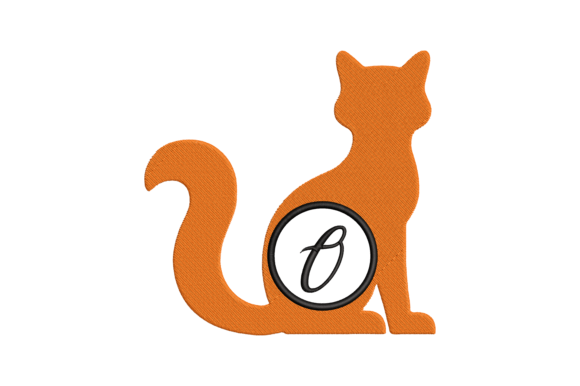
Cat Letter O: A Designer’s Review for Craft Fair Success
As an embroidery designer who has spent countless hours behind the hoop and even more time standing behind a craft fair table, I have learned that not all designs are created equal. Some look stunning on a screen but fail to capture attention in person. Others are so complex they take forever to stitch, eating into your profit margins. Today, I am putting Cat Letter O under the microscope. This is not just a digital file; it is a potential revenue stream for your small shop. I am evaluating this design specifically for its viability as a craft fair product and its appeal to the modern Etsy seller looking to expand their Back To School or everyday collection.
First Impressions: Charm Meets Commercial Viability
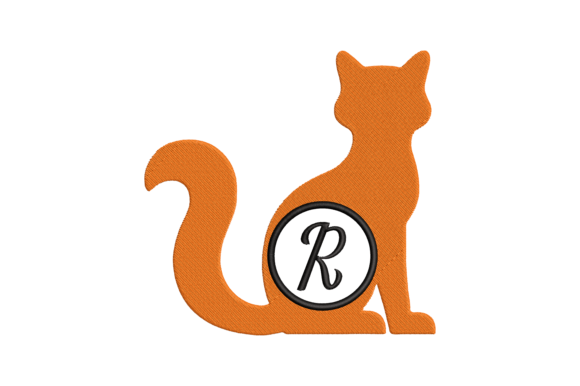
When I first loaded the Cat Letter O machine embroidery design into my software, my immediate reaction was one of balanced delight. The description claims this embroidery is an art form that can elevate any fabric, adding a touch of elegance and charm. In practice, this translates to a design that feels both playful and polished. It does not scream "cheap novelty." Instead, it offers a unique and eye-catching look that suggests quality. For a boutique maker, this is crucial. You want your handmade product to feel special, not mass-produced. The integration of the feline motif with the letter "O" creates a cohesive visual that is instantly recognizable. It is bold enough to be seen from three feet away at a busy market, yet detailed enough to reward closer inspection.
Product Application: Where Does It Sell Best?
The true test of any digital embroidery file is its versatility. I imagined setting up my booth with a variety of items to see where Cat Letter O would shine. Here is how it performs across different mediums:
- Tote Bags and Market Bags: This is arguably the strongest application. A canvas tote with Cat Letter O centered on the front becomes an instant bestseller. It serves as a perfect tote bag design for cat lovers, teachers, or students heading back to class. The design acts as a focal point without overwhelming the bag’s utility.
- Aprons and Tea Towels: For the kitchen-centric buyer, apron embroidery adds a personal touch. The charm of the cat motif fits perfectly with the cozy, domestic vibe of a handmade apron. Similarly, tea towel embroidery benefits from the design’s clarity. However, you must be mindful of the fabric texture. Terry cloth towels can swallow up fine details, so ensure your stitch resolution is high enough to maintain clarity.
- Embroidered Patches: If you are looking to create low-cost, high-volume items, consider turning this into an embroidered patch. Patches are excellent impulse buys at craft fairs. The self-contained nature of the letter and cat graphic makes it ideal for iron-on or sew-on applications.
- Caps and Headwear: Embroidering on curved surfaces is tricky. While Cat Letter O could work on a dad hat, you must check the hoop size compatibility. If the design is too wide, it may distort on the cap’s curve. Always test on a scrap cap before committing to a production run.
- Pillow Covers and Home Decor: For a premium price point, place the design on linen pillow covers. The elegance mentioned in the product description really comes through here, appealing to buyers looking for sophisticated home accents rather than just cute knick-knacks.
Production Practicality: Batch Making for Profit
For those of us running a small shop product line, time is money. I evaluated Cat Letter O based on its production efficiency. The design appears to be structured for repeatability. It does not seem to rely on excessive thread changes, which speeds up the stitching process. When preparing for a weekend craft fair, you need designs that can be stitched in batches. If you can hoop five tote bags and let the machine run while you package other orders, you are maximizing your labor.
However, there are careful-use notes to consider. Pay close attention to stitch density. If the cat’s features or the letter curves are too dense, you risk puckering lightweight fabrics like cotton voile or thin tea towels. Conversely, if the density is too low on thick denim, the fabric might show through the stitches. I strongly advise testing the design on scrap fabric that matches your final product material. Check your thread colors against your fabric choices. High contrast usually sells better because the design pops, but monochromatic schemes can look ultra-modern and premium if executed correctly.
Visual Appeal and Customer Engagement
In a crowded marketplace, visual appeal drives sales. Cat Letter O has a distinct advantage: it is emotionally engaging. Cat lovers are a passionate demographic. When a customer sees a familiar pet motif combined with a personalized initial, it creates an immediate connection. This boosts buyer engagement and increases the perceived value of the finished product. It transforms a simple item into a personalized gift. For your booth display, use this to your advantage. Group items featuring Cat Letter O together to create a themed collection. This strengthens your brand consistency and makes your table look curated and professional.
Photography is another critical factor. This design photographs well for online listings. Its clear lines and charming subject matter translate effectively into printable mockup images for your Etsy store. Ensure you capture close-up shots that highlight the stitch quality, proving the commercial embroidery standard of your work. High-quality images of the texture and sheen of the threads can significantly boost click-through rates.
Designer Notes: Before You Stitch
Before you launch this as a key part of your Back To School or general inventory, take these practical steps:
- Verify Technical Specs: The product description does not list exact stitch counts, file formats, or specific hoop sizes. You must check these details in the actual design assets folder before purchasing or downloading. Ensure the file format is compatible with your machine (PES, DST, JEF, etc.).
- Check Licensing: Confirm the commercial licensing terms. As a professional, you need to know if you can sell unlimited finished products or if there are restrictions. Never assume; always read the license included with the digital embroidery file.
- Stabilizer Selection: Use the right stabilizer for each fabric type. Cut-away stabilizer is generally safer for garments that will be washed frequently, like tote bags and aprons, to prevent distortion over time.
- Size Testing: Test the design at different scales. Does it lose clarity when shrunk for a pocket logo? Does it look bloated when enlarged for a pillowcase? Find the sweet spot for each product type.
- Color Strategy: Create a color chart. Determine which thread combinations work best on white, black, navy, and natural fabrics. Having pre-planned colorways saves decision-making time during production rushes.
In conclusion, Cat Letter O is a strong contender for your embroidery business. It balances whimsy with elegance, making it suitable for a wide range of customers. By paying attention to production details and leveraging its visual appeal, you can turn this single design into a profitable staple of your craft fair inventory. It is not just about stitching a pattern; it is about creating a handmade product that resonates with people. With careful execution, this design can elevate your brand and delight your customers.