Little Queen: A Designer’s Review for Craft Fair Success
As an embroidery designer who has spent countless hours behind the hoop and even more time standing behind a craft fair table, I look at every new machine embroidery design with a critical eye. It is not just about whether the stitches are clean; it is about whether the design will stop a scrolling thumb on Instagram or make a passerby pause at my booth. Today, I am reviewing Little Queen, a charming addition to the Babies category that holds significant potential for handmade market products.
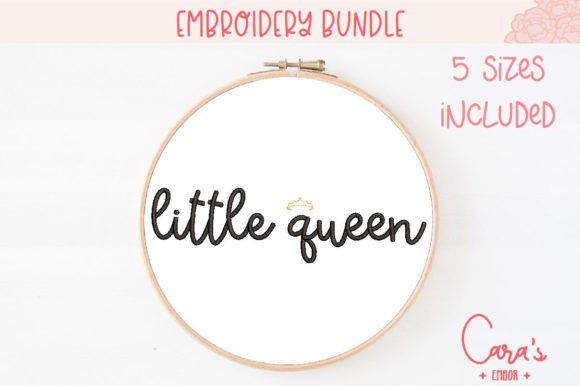
When I first loaded the digital embroidery file into my software, my immediate impression was one of soft elegance mixed with playful royalty. The title suggests a theme that is both empowering and adorable, fitting perfectly into the current trend of gentle, whimsical nursery decor. It does not scream for attention with neon brightness but rather invites a closer look with its balanced composition. For those of us selling handmade product lines, this subtle confidence is exactly what converts browsers into buyers.
Visual Appeal and First Impressions
The aesthetic of Little Queen leans towards the modern rustic and soft farmhouse styles that dominate the current handmade market. It feels premium without being overly complex. In a crowded craft fair environment, designs need to be understood at a glance. This design achieves that balance. It is decorative enough to serve as a focal point on a plain item but minimal enough not to overwhelm the fabric.
For Etsy seller accounts and boutique makers, visual consistency is key. This design offers a versatile look that can bridge the gap between baby showers and general home decor. It avoids being strictly gendered, which broadens its appeal significantly. When photographed for a printable mockup or actual product listing, the design’s lines appear crisp, suggesting high-quality digitizing that respects the integrity of the original artwork.
Strategic Product Placement for Maximum Sales
Choosing the right substrate is half the battle in commercial embroidery. Based on the description, here is how I would strategically deploy Little Queen across a product line to maximize revenue.
- Tote Bags and Market Bags: A natural canvas tote with this design centered creates an instant tote bag design bestseller. Parents love reusable bags for diaper duty, and the "Queen" motif adds a touch of personality to a utilitarian item.
- Aprons and Kitchen Textiles: While often associated with adults, a child-sized apron with this motif makes for a heartfelt gift. For tea towel embroidery, ensure the placement is high enough to avoid wear from washing but low enough to be visible when folded.
- Caps and Headwear: Embroidering on curved surfaces requires precision. If the design fits within a standard cap frame, it becomes a high-margin small shop product. However, check the width to ensure it does not distort on the curve.
- Patches and Pouches: Creating an embroidered patch allows customers to add the design to existing items. This is excellent for reducing waste and offering lower-priced entry points for budget-conscious shoppers.
- Pillow Covers and Bedding: As a Babies category item, placing this on organic cotton pillowcases or muslin swaddles elevates the perceived value. It transforms a basic textile into a heirloom-quality keepsake.
Production Practicality and Batch Efficiency
For those of us running a business, time is money. A design that looks great but takes four hours to stitch is not viable for a busy craft fair season. Little Queen appears to be designed for efficiency. The description notes that resizing or editing is not recommended, which is a crucial detail. This implies the digitizer has optimized the stitch path for specific dimensions. Deviating from this could compromise the stitch density and overall quality.
When preparing for batch production, consistency is vital. This design seems repeatable, meaning you can hoop multiple items quickly without constant adjustment. For a weekend fair, being able to produce twenty identical tote bags or ten matching pillowcases ensures your display looks stocked and professional. The design’s clarity means it photographs well for online listings, reducing the need for extensive photo editing.
Critical Technical Considerations
While the design is promising, successful execution depends on technical diligence. Here are the practical notes I take before committing to a full production run.
- Fabric Texture and Stabilizer: The success of any embroidery file depends on the foundation. For textured towels or thick denim, use a cut-away stabilizer to prevent puckering. For delicate baby clothes, a soft tear-away or no-show mesh is essential to maintain comfort against sensitive skin.
- Thread Contrast: Test your thread colors against various fabric backgrounds. On dark fabric, ensure you have adequate underlay stitches to prevent the background from showing through. On light fabrics, avoid threads that are too similar in shade, as the details may get lost.
- Hoop Size and Placement: Confirm the required hoop size before purchasing. If the design is large, ensure your machine can accommodate it. For smaller items like pouches, consider using a magnetic hoop or a specialized jig to keep the fabric taut without leaving marks.
- Density and Detail: Be cautious with dense stitch areas on stretchy fabrics. If the design has fine details, test it on scrap fabric first. Tiny lettering or intricate crown elements may lose clarity if the tension is off or if the needle is dull.
Enhancing Brand Value and Customer Engagement
Incorporating Little Queen into your lineup does more than add another item; it strengthens your brand narrative. It signals that you offer thoughtful, curated design assets that cater to modern parenting aesthetics. When customers see a cohesive collection featuring this design across different products, it increases buyer engagement. They are more likely to purchase a bundle, such as a bib and a burp cloth, rather than a single item.
Furthermore, using this design in your booth display creates a focal point. Arrange your finished products so that the "Queen" motif is at eye level. Use lighting to highlight the sheen of the threads. A well-presented craft fair product stands out against mass-produced goods, justifying a higher price point.
Final Verdict for the Handmade Entrepreneur
Before you launch, remember to check the commercial licensing terms included with your digital embroidery file. Ensure you are compliant with the designer’s rules regarding mass production or digital resale. Always create at least one real mockup to verify the scale and feel of the finished product.
Little Queen is a strong contender for your next collection. It balances charm with professionalism, offering a versatile solution for babies' items and home decor. By respecting the design’s limitations regarding resizing and focusing on high-quality materials, you can create products that not only sell but also build a loyal customer base. Treat each stitch as a promise of quality, and this design will serve your business well.