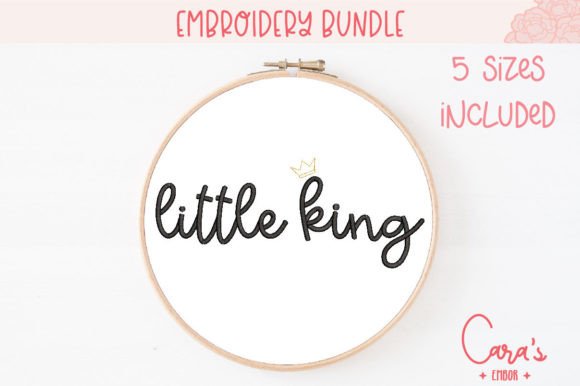
Little King: A Designer’s Review for Embroidery Projects
As an embroidery designer who spends countless hours digitizing and testing files, I have learned that not every machine embroidery design is created equal. Some look fantastic on a screen but fail miserably under the needle. Recently, I came across Little King on Creative Fabrica, and it immediately caught my eye. With its charming aesthetic and potential for versatility, I decided to take a closer look to see if it holds up for real-world commercial use. If you are an Etsy seller, a small business owner, or a hobbyist looking to elevate your handmade product lineup, this review breaks down what you need to know before downloading.
First Impressions: Visual Mood and Stitching Personality
The first thing that strikes you about Little King is its delicate yet regal presence. It fits perfectly within the Babies category, offering a sweet, whimsical vibe that appeals to parents and gift-givers alike. The design does not rely on overly complex shading or impossible stitch angles. Instead, it utilizes a balanced mix of satin stitch borders and clean fill stitch areas that provide depth without excessive bulk. This is crucial for maintaining the softness of baby garments or lightweight home decor items.
The visual mood is playful but sophisticated. It avoids the cluttered look that plagues many low-quality digital files. For those of us who value brand consistency, having a design with such a clear personality makes it easier to integrate into a cohesive collection. Whether you are creating nursery decor or custom apparel, the design’s simplicity allows it to stand out without overwhelming the fabric.
Real-World Application: From Organza to Sweatshirts
The product description explicitly advises using transparent fabric for the best results, noting that organza was used in the promotional photos. This is a significant detail. Organza and similar sheer fabrics require a specific approach to Embroidery. When I consider using Little King for a project, I immediately think about layered applications. Imagine stitching this design on organza and then appliquéing it onto a tote bag or a pillow cover. The transparency adds a dimension of elegance that solid fabrics cannot achieve alone.
However, do not limit yourself to sheer materials. This design is versatile enough for various substrates. Here is how I envision using it in a commercial setting:
- Custom Apparel: Perfect for baby onesies or toddler t-shirts. The design scales well for small chest placements.
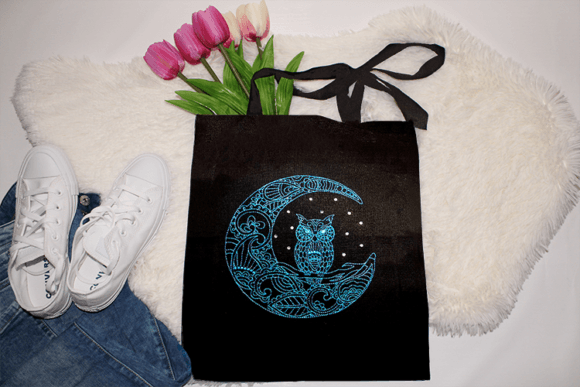
- Tote Bag Design: Use it as a central focal point on canvas totes. Pair it with contrasting thread colors for high visibility.
- Sweatshirt Embroidery: Ideal for hoodies or crewnecks. Ensure you use a cut-away stabilizer to support the weight of the garment.
- Nursery Decor: Stitch it onto pillow covers or wall hangings to create a themed room aesthetic.
- Handmade Gifts: An excellent choice for personalized baby shower gifts or christening presents.
For Etsy sellers, this versatility means you can create multiple listings from a single digital embroidery file. You might offer a version on a bib, another on a blanket, and a third on a decorative banner. This maximizes the return on investment for your design assets.
Technical Considerations for Professional Results
While Little King appears straightforward, successful execution depends on technical precision. The description mentions resizing or editing, but as a professional, I urge caution. Always check the original file details on the Creative Fabrica product page before making changes. Resizing beyond the recommended limits can distort stitch density, leading to thread breaks or fabric puckering.
Here are the critical technical factors to consider:
- Hoop Size: Confirm the hoop size required for the original design. If you are working with small items like caps or patches, ensure the design fits within your smallest hoop without compromising detail.
- Stabilizer Selection: For stretchy fabrics like jersey knits used in baby clothes, a tear-away stabilizer may not suffice. I recommend using a soft cut-away stabilizer to prevent distortion after washing. For woven fabrics like aprons or kitchen towels, a tear-away is usually adequate.
- Thread Colors: The design’s appeal relies heavily on color contrast. Test different thread combinations on scrap fabric before committing to your final piece. Dark threads on light fabric create a bold look, while pastels offer a subtler, vintage feel.
- Fabric Texture: Avoid highly textured fabrics that might hide the fine details of the design. Smooth cottons, linens, and yes, organza, yield the crispest results.
If you plan to use this on curved surfaces, such as caps, be mindful of the push-pull effect. You may need to adjust the pull compensation in your embroidery software if you have the appropriate license and skills. However, for most users, sticking to the original proportions is the safest bet for a professional finish.
Enhancing Product Value and Buyer Trust
In the competitive world of handmade goods, presentation is everything. A well-executed embroidery design like Little King can significantly boost the perceived value of your products. Customers associate clean, precise stitching with quality craftsmanship. When they see a neat satin edge and consistent fill stitches, their trust in your brand increases.
This design also lends itself beautifully to product photography. The intricate details catch the light, adding visual interest to your online listings. Whether you are creating printable mockups for digital sales or photographing finished products for Etsy, the design’s clarity ensures it looks appealing from any angle. This visual appeal drives customer engagement and can lead to higher conversion rates.
Moreover, using a recognizable and high-quality design helps build brand consistency. If you establish a style around whimsical, royal-themed baby items, Little King becomes a signature element of your shop. Repeat customers will recognize your aesthetic, fostering loyalty and encouraging word-of-mouth referrals.
Final Verdict: Is Little King Worth It?
After reviewing the potential applications and technical requirements, I believe Little King is a valuable addition to any embroidery designer’s library. It is not just a cute graphic; it is a functional asset that can be adapted for various commercial embroidery projects. From baby blankets to chic tote bags, its adaptability is its strongest feature.
However, success lies in the execution. Do not skip the test stitch. Always verify the license terms on the Creative Fabrica product page to ensure you are compliant for commercial use. Check the stitch density and adjust your machine settings accordingly. By treating this design with the respect it deserves, you can create stunning, high-quality items that customers will love.
If you are looking to expand your product line with something that balances charm and professionalism, Little King is certainly worth considering. Just remember to pair it with the right fabric, stabilizer, and thread choices to let its true potential shine.