Review: Number One Cute Deer for Small Business Merch
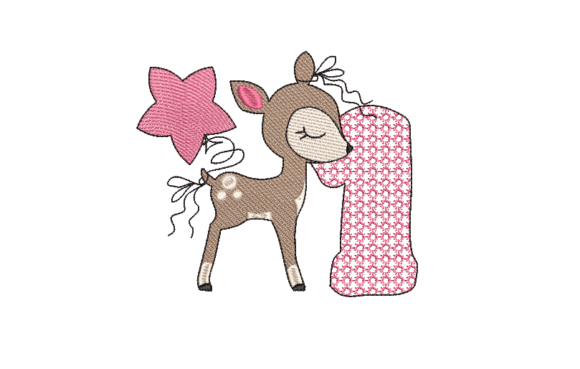
As an embroidery designer who has spent years digitizing and testing files for commercial use, I approach every new machine embroidery design with a critical eye. It is not just about whether a motif looks pretty on a screen; it is about how it performs under the needle, how it holds up after washing, and most importantly, how it elevates a brand. Today, I am reviewing Number One Cute Deer, a sketch-style design from the Woodland Animals category, specifically through the lens of small business owners, apparel decorators, and handmade brands looking to expand their product lines.
First Impressions: The Power of Hand-Drawn Aesthetics
The first thing that strikes me about Number One Cute Deer is its intentional imperfection. In an era where vector-perfect logos dominate corporate branding, there is a massive market shift toward the authentic, the rustic, and the handmade. This design captures that sentiment perfectly. Described as an adorable sketch designed to look hand-drawn, it offers a light fill with minimal underlay. This technical choice is crucial for business applications because it reduces bulk and stitch time without sacrificing visual impact.
For boutique owners and Etsy sellers, this aesthetic signals approachability and warmth. It does not scream "corporate"; it whispers "crafted with care." Whether you are running a local bakery, a florist shop, or a creative studio, this visual personality aligns seamlessly with brands that value community and artisanal quality. The lack of heavy saturation means the fabric texture remains visible, adding to that premium, organic feel that modern consumers crave in their small business merch.
Real-World Application: From Patches to Uniforms
When evaluating a digital embroidery file for commercial use, I always ask: where does this live? Number One Cute Deer is versatile, but its lightweight nature makes it particularly suited for specific applications. Here is how I see it performing in real business scenarios:
- Embroidered Patches: This is perhaps the strongest use case. Because the design is lightly filled, it creates a flexible patch that does not stiffen the garment. It works beautifully as an iron-on or sew-on accent for denim jackets, canvas tote bags, or laptop sleeves.
- Staff Uniforms and Aprons: For cafes and bakeries, apron embroidery is a subtle yet effective branding tool. This deer design can serve as a chest logo accent or a sleeve detail. Its quick stitch-out time means lower production costs when outfitting an entire team, while the hand-drawn style reinforces the establishment's cozy atmosphere.
- Cap Embroidery: Caps are tricky due to the curved surface and limited space. Since resizing is not recommended, you must ensure the default size fits the front panel of your chosen cap style. If it fits, the low stitch density prevents the fabric from puckering, a common issue with heavier designs on structured hats.
- Tote Bag Design: Canvas totes are a staple for retail shops. Placing this woodland motif on a natural cotton tote creates an instant bestseller. The contrast between the thread and the raw fabric highlights the sketch-like quality of the embroidery.
Technical Considerations for Professional Results
While Number One Cute Deer is designed for impact, professional execution requires attention to detail. The product description explicitly states that resizing or altering the design is not recommended. This is a critical constraint for designers. You cannot simply shrink it down to fit a tiny label or blow it up for a back piece. You must work within the intended dimensions.
Here are my practical notes for ensuring a high-quality finished product:
- Test on Real Fabric: Always run a test stitch on the actual material you plan to use. The "light fill" means the background fabric color will show through. Ensure your thread colors have enough contrast against the fabric. For example, a dark brown thread on a navy shirt might get lost, whereas cream thread on chocolate brown fabric would pop.
- Stabilizer Selection: Even with low stitch density, proper stabilization is key. For knit fabrics like t-shirts, use a cut-away stabilizer to prevent distortion. For woven fabrics like aprons or totes, a tear-away may suffice, but test first to ensure the sketch lines remain crisp.
- Hoop Size Compatibility: Check the required hoop size before purchasing. Ensure your machine can accommodate the design without re-hooping, which can lead to alignment issues. Since you cannot resize, the hoop size is fixed by the design parameters.
- Fabric Texture: This design thrives on textured fabrics like linen, canvas, or denim. The hand-drawn look complements the weave of these materials. Avoid using it on slippery synthetics unless you have extensive experience, as the light underlay may not anchor the design securely on unstable surfaces.
Brand Identity and Customer Trust
Why does this matter for your bottom line? Consistency in brand identity builds trust. When a customer receives a package with a beautifully embroidered thank-you note featuring Number One Cute Deer, or buys a tote bag with this charming motif, they perceive higher value. It transforms a simple transaction into an experience.
For handmade brands, this design acts as a seal of quality. It shows that you invest in professional-grade design assets rather than relying on generic clipart. It enhances visual consistency across your product range, from custom apparel to packaging accents. Moreover, using a licensed commercial embroidery file protects your business from copyright issues, allowing you to sell your products with confidence.
Where to Use Caution
Despite its charm, this design is not a one-size-fits-all solution. Be cautious when applying it to items that undergo frequent, harsh washing, such as gym wear or children's play clothes. The sketch style, with its potentially disconnected lines or light fills, may not hold up as robustly as a solid, satin-stitch logo over hundreds of wash cycles. Additionally, avoid placing it on areas with high friction, like the inner elbow of a shirt, where the threads might snag or wear down faster.
Also, remember that this is a specific artistic style. If your brand is ultra-modern, minimalist, or corporate-tech, this woodland animal motif might clash with your existing visual language. It is best suited for brands that embrace nature, nostalgia, creativity, or warmth.
Final Verdict for Business Owners
Number One Cute Deer is a strong contender for small businesses looking to add a touch of whimsy and professionalism to their merchandise. Its efficiency in stitching time combined with its high visual appeal makes it a cost-effective choice for printable mockup presentations and actual production. Before you launch, create a mockup for client approval if you are doing custom work, and always verify the specific file formats included in your download to ensure compatibility with your embroidery software.
By integrating this design thoughtfully into your product packaging accents, staff uniforms, or retail goods, you can enhance buyer engagement and reinforce the handmade, heartfelt narrative of your brand. Just respect the sizing constraints, choose your fabrics wisely, and let this cute deer do the heavy lifting in connecting with your customers.