Reviewing the Christmas Tree Key Holder for Branding
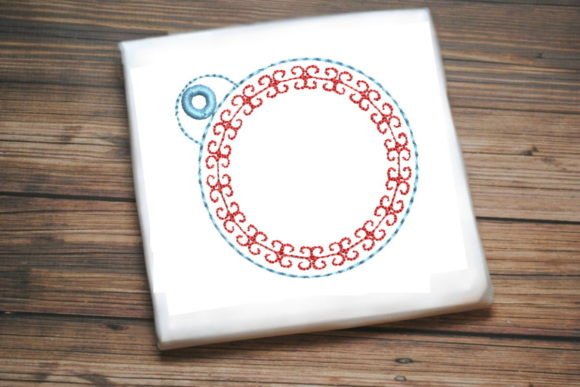
As an embroidery designer who has spent years helping small businesses translate their brand identity into thread, I approach every new machine embroidery design with a critical eye. It is not enough for a pattern to look cute on a screen; it must perform under the needle, withstand wear and tear, and communicate professionalism. Recently, I evaluated the Christmas Tree Key Holder, a pattern described as ideal for creating personalized square keychains where users can add initials, full names, or complementary graphics. While the product description highlights its use in Accessories, my review focuses on its potential beyond the keychain, specifically for small business merchandise, branded patches, and custom apparel.
First Impressions: Visual Personality and Versatility
The immediate appeal of the Christmas Tree Key Holder lies in its structural simplicity. In the world of Embroidery, simple shapes often translate best to physical media because they reduce the risk of puckering and thread breaks. The design feels friendly and approachable, striking a balance between rustic charm and modern minimalism. For a boutique owner or a creative studio, this aesthetic is invaluable. It does not scream for attention but rather invites closer inspection, which is exactly what you want from a subtle brand accent.
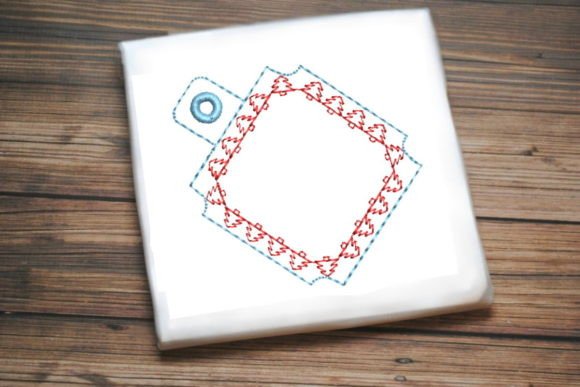
The inclusion of personalization options—such as adding a first letter or a whole name—suggests that the design is built with modularity in mind. This is a crucial feature for small business merch. Whether you are running a local bakery, a florist shop, or a pet brand, the ability to customize the central element allows for batch production without sacrificing the "handmade" feel. The design appears decorative yet functional, making it suitable for both holiday-specific campaigns and year-round branding if the color palette is adjusted appropriately.
Real-World Business Applications Beyond Keychains
While the primary intent is a keychain, limiting this digital embroidery file to that single application would be a missed opportunity for revenue growth. Here is how I envision this design performing in various commercial contexts:
- Branded Patches: The square format mentioned in the description is perfect for iron-on or sew-on patches. These can be sold as standalone design assets or attached to denim jackets and tote bags. A patch allows customers to buy into your brand identity without purchasing a full garment.
- Apron Embroidery: For cafes and bakeries, staff uniforms are walking billboards. Placing a small version of this tree design on the chest pocket of an apron adds a touch of warmth and professionalism. It signals attention to detail and care, which translates to customer trust.
- Cap Embroidery: The front panel of a baseball cap is prime real estate. If the stitch density is managed correctly, this design could serve as a subtle side-panel accent or a centered logo for holiday-themed staff hats.
- Tote Bag Design: Canvas tote bags are staples for retail shops. Embroidering this pattern near the handle or in the corner creates a premium finished product that feels more valuable than a printed alternative.
- Product Packaging Accents: Imagine a small embroidered tag attached to your product packaging using this design. It elevates the unboxing experience and reinforces the handmade nature of your goods.
Navigating Technical Challenges in Production
Every designer knows that a beautiful preview does not guarantee a smooth production run. When integrating the Christmas Tree Key Holder into your workflow, there are specific technical factors to consider to ensure quality control.
First, consider stitch density. Keychains are often made from thicker materials like faux leather or heavy canvas. If you adapt this design for lighter fabrics, such as cotton tote bags or uniform shirts, you must ensure the density is not too high, which can cause puckering. Conversely, if the design is too sparse, it may look cheap on sturdy materials. Always run a test stitch-out on the actual fabric you intend to use.
Second, pay attention to thread colors and contrast. The tree motif relies on shape recognition. If you are embroidering on dark uniforms, ensure you use high-contrast thread colors or consider adding a satin stitch border to make the design pop. For a more understated, elegant look on premium merchandise, tonal embroidery (using thread similar in shade to the fabric) can create a sophisticated texture that appeals to high-end buyers.
Third, evaluate the hoop size constraints. Since the design is intended for a square keychain, it is likely optimized for smaller hoops, such as 4x4 inches. If you plan to scale it up for a tote bag or apron, check if the digitizing holds up at larger sizes. Details that look crisp at two inches may become disjointed or overly complex at six inches. If the file is not scalable, you may need to request different sizes from the creator or adjust the scaling carefully in your software.
Impact on Brand Identity and Customer Perception
Consistency is the cornerstone of strong brand identity. Using a cohesive design element like the Christmas Tree Key Holder across multiple touchpoints—keychains, patches, aprons, and packaging—creates a visual language that customers recognize. This recognition builds trust. When a customer sees the same careful embroidery on their keychain and the barista’s apron, it reinforces the perception of a well-established, professional brand.
Furthermore, embroidered items carry a perceived value higher than printed goods. They signal durability and craftsmanship. For Etsy sellers and craft business owners, offering products featuring this design can justify higher price points. It transforms a simple accessory into a keepsake. The personalization aspect further enhances buyer engagement, as customers love seeing their own names or initials integrated into a professional design.
Practical Designer Notes for Commercial Use
Before you launch a full production run using this commercial embroidery pattern, follow these practical steps to mitigate risk and ensure quality:
- Test in Black and White: Before selecting your final thread palette, stitch the design out in black thread on white fabric and vice versa. This helps you identify any gaps in the digitizing or issues with spacing that color might hide.
- Check Small Patch Viability: If you plan to make small patches, ensure the details of the tree and any added text remain legible. Tiny lettering can easily become a blob of thread if the font size is too small relative to the stitch width.
- Select the Right Stabilizer: The choice of stabilizer is critical. For stretchy fabrics like jersey caps, use a cut-away stabilizer. For woven fabrics like tote bags, a tear-away may suffice. Always match the stabilizer to the fabric texture and the item's intended use.
- Create a Printable Mockup: Use digital mockups to show clients or stakeholders how the design will look on different items. This helps manage expectations and secures approval before you waste thread and time on physical samples.
- Verify Licensing Terms: This is non-negotiable. Confirm that the license for the digital embroidery file allows for commercial use. Some designers restrict the number of physical items you can sell or require attribution. Ensure you are compliant before selling any custom apparel or accessories.
In conclusion, the Christmas Tree Key Holder is more than just a pattern for a keychain. It is a versatile design asset that, when used strategically, can enhance your brand’s visual consistency and product value. By paying attention to technical details like stitch density and stabilizer choice, and by exploring applications beyond the initial description, you can leverage this design to create meaningful, high-quality merchandise for your business.