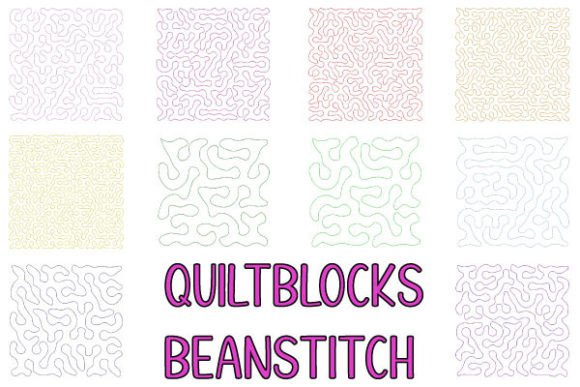
Reviewing Quiltblock Patterns 5.3“ 138 Mm for Real Projects
As a designer who has spent years digitizing and testing machine embroidery designs, I approach every new file with a mix of curiosity and skepticism. We have all been there: you download a promising digital embroidery file, load it onto your machine, and hope it stitches out as cleanly as the preview image suggests. Recently, I had the chance to evaluate Quiltblock Patterns 5.3“ 138 Mm, a set that promises to elevate quilting projects through expert stitching techniques. Here is my honest assessment of how these designs perform in real-world scenarios, from small shop products to personalized gifts.
First Impressions: Structure and Aesthetic Appeal
The first thing that strikes me about Quiltblock Patterns 5.3“ 138 Mm is its commitment to structure. In the world of Embroidery, especially when dealing with geometric or traditional motifs, clarity is king. These designs utilize the triple bean stitch technique, which is a smart choice for this style. The triple bean stitch creates a raised, textured line that mimics the look of hand-quilting or heavy topstitching without the bulk of a dense satin stitch. This gives the finished product a sophisticated, tactile quality that appeals to customers looking for high-end handmade items.
The mood here is classic yet versatile. It does not scream for attention with flashy gradients or complex shading. Instead, it relies on clean lines and balanced proportions. For an Etsy seller or a boutique owner, this understated elegance is valuable. It fits seamlessly into modern farmhouse decor, traditional nursery themes, and minimalist apparel. The visual personality is calm and organized, making it an excellent candidate for Backgrounds in larger composite designs or as a standalone statement piece on a tote bag or pillow cover.
Real-World Application: From Concept to Finished Product
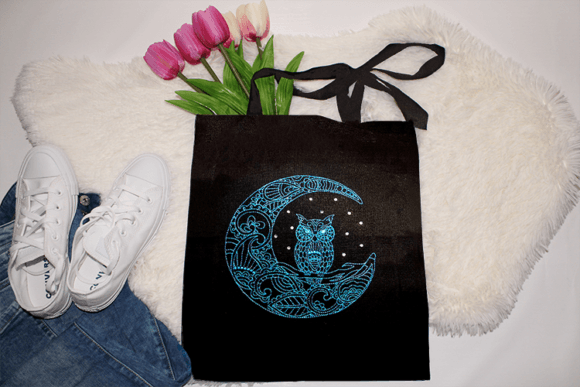
To truly test the viability of any design, I imagine it in specific commercial contexts. Let us consider a custom embroidered tote bag. Tote bags are a staple for craft businesses, but they present challenges due to the canvas texture and potential for shifting. The 5.3-inch size of Quiltblock Patterns 5.3“ 138 Mm is ideal here. It is large enough to be visible and impactful but small enough to fit comfortably on standard tote dimensions without overwhelming the fabric.
I also envision these patterns working beautifully on sweatshirt embroidery. When placed on the left chest or centered on the back, the triple bean stitch holds up well against the fleece texture. Unlike fine running stitches that might get lost in the pile of a sweatshirt, the bean stitch provides enough definition to remain crisp. For baby embroidery, such as on a receiving blanket or a onesie, the design offers a gentle, traditional aesthetic. However, one must be mindful of the fabric choice; softer, thinner fabrics may require additional care to prevent puckering.
Another strong use case is in holiday embroidery. Imagine these quilt blocks stitched onto kitchen towels or aprons during the festive season. The geometric nature of quilt blocks lends itself well to seasonal color palettes. By simply changing thread colors, you can transform the same design from a spring pastel accent to a bold winter holiday motif. This versatility is crucial for small shop owners who need to maximize their design assets across multiple product lines.
Technical Considerations and Fabric Compatibility
While the design is robust, it is not without its technical demands. The triple bean stitch, while durable, does increase stitch density compared to a single running stitch. This means that fabric selection is critical. On thin or stretchy fabrics, such as jersey knits or lightweight rayon, there is a risk of puckering if the stabilizer is not chosen carefully. I strongly recommend using a cut-away stabilizer for garments that will be washed frequently, as it provides ongoing support to the stitches.
For textured fabrics like linen or heavy canvas, the design performs admirably. The bean stitch bridges the gaps in the weave effectively. However, when working with dark fabric, thread color contrast becomes paramount. Because the design relies on line work rather than fill areas, a low-contrast thread choice might make the details disappear. I advise testing your thread colors on scrap fabric first. A high-contrast combination, such as white thread on navy blue, will highlight the intricate geometry of the quilt block, while tonal combinations offer a more subtle, embossed effect.
Curved surfaces, such as caps or hats, require extra attention. The 138 mm width is quite substantial for a standard cap front. If you plan to use Quiltblock Patterns 5.3“ 138 Mm on headwear, ensure your hoop size accommodates the width and that the design is centered correctly to avoid distortion near the seams. Additionally, check whether the design works for both personal and commercial projects by reviewing the license terms provided with the download.
Enhancing Brand Value and Customer Trust
From a business perspective, the quality of your embroidery directly impacts customer trust. A clean, well-stitched design signals professionalism. The triple bean technique used in this set reduces the likelihood of thread breaks and loose ends, which are common complaints in lower-quality embroidery. When a customer receives a personalized gift or a custom apparel item with crisp, consistent stitching, they are more likely to leave positive reviews and return for future purchases.
Furthermore, the visual appeal of these quilt blocks enhances the perceived value of the finished product. They look intentional and designed, rather than generic. For creative entrepreneurs, this distinction is vital. Using high-quality design assets allows you to charge a premium for your handmade products. Whether you are creating an embroidered patch for a local club or a boutique branding item for a corporate client, the precision of these patterns supports a polished final presentation.
Practical Designer Notes for Best Results
Before you commit to a full production run, take these practical steps to ensure success with Quiltblock Patterns 5.3“ 138 Mm:
- Test on Scrap Fabric: Always stitch a sample on the exact fabric you plan to use. This helps you identify any tension issues or puckering before working on the final garment.
- Check Stabilizer Choice: Match your stabilizer to the fabric weight. Heavier fabrics may only need tear-away, while knits and stretchy materials require cut-away support.
- Review Stitch Density: Although the triple bean stitch is efficient, monitor your machine’s performance. If you notice excessive pulling, consider adding a topping layer for fluffy fabrics like towels or fleece.
- Confirm Hoop Size: Ensure your hoop can accommodate the 5.3-inch width comfortably. Leaving adequate margin around the design prevents hoop burns and ensures stable stitching.
- Inspect Small Details: Zoom in on your digitizing software or preview tool to check for any potential jump stitches or tight corners that might need manual editing.
- Mockup Testing: Create printable mockups or digital previews in both black and white to see how the design reads without color distraction. This helps in planning marketing images for your online store.
- Licensing Verification: Confirm the licensing terms before selling finished items. Most designers allow commercial use for physical products, but restrictions may apply to reselling the digital file itself.
In conclusion, Quiltblock Patterns 5.3“ 138 Mm is a solid addition to any embroiderer’s library. It balances traditional aesthetics with modern stitching techniques, offering versatility for various applications. By paying attention to fabric choice, stabilizer support, and thread contrast, you can leverage these designs to create high-quality, professional-grade embroidery projects that resonate with customers and elevate your brand.