Checker Flags: A Designer’s Review for Real Projects
As a designer who spends more time staring at stitch maps than actual fabric, I have learned to be skeptical of new machine embroidery design releases. We have all been there: downloading a file that looks crisp on the screen, only to watch it turn into a puckered mess on the hoop. That is why I approach every new asset with a critical eye. Recently, I pulled up the Checker Flags design to evaluate its potential for my current batch of client projects. This isn’t just about whether it looks cute; it is about whether it holds up under the needle.
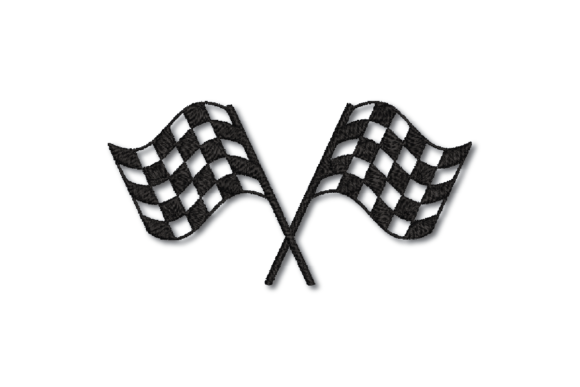
The first impression of Checker Flags is one of dynamic energy. It captures the essence of speed and competition without relying on overly complex gradients or fragile details. The layout is bold, which is exactly what you want when working with Embroidery as a medium. Unlike print, where you can rely on subtle shading, embroidery demands clear shapes and strong contrast. This design delivers that immediately. It feels right at home in the Sports category, but its graphic nature makes it versatile enough for broader lifestyle applications.
Visual Impact and Stitch Clarity
When I zoomed in on the embroidery file, I was looking for potential trouble spots. Tiny corners and excessive density are the enemies of a clean finish. Checker Flags seems to balance these elements well. The checkered pattern relies on distinct blocks, which suggests a mix of fill stitch areas and potentially some satin stitch borders, depending on the specific digitizing choices made by the creator. This structure is crucial because it allows the design to read clearly from a distance.
For a handmade product to feel professional, the stitching must look intentional. If the checks are too small, they can merge into a blurry gray mass, especially on textured fabrics. However, this design appears to have enough breathing room between elements. This clarity is vital for customer trust. When a buyer sees a finished item, they need to recognize the motif instantly. A muddy design lowers the perceived value of your small shop product, while a crisp one elevates it.
Real-World Application: The Custom Tote Scenario
To truly test the viability of Checker Flags, I imagined a specific real-life scenario. I am currently working on a line of canvas tote bags for a local racing enthusiast’s birthday party. These aren’t just generic gifts; they are personalized gift items that need to withstand grocery runs and beach trips. Here is how I see this design fitting in.
Placing Checker Flags on a heavy cotton canvas provides a stable base. The rigidity of the fabric supports the stitch density required for bold graphics. I would position the design slightly off-center for a modern, boutique feel. Because the theme is universally recognized, it appeals not just to hardcore fans but to anyone who appreciates retro automotive aesthetics. This broadens the market for an Etsy seller or craft business owner. It transforms a simple bag into a statement piece.
Beyond totes, consider sweatshirt embroidery. A chest-left placement of this design on a heather gray hoodie creates a subtle yet sporty look. It works because the design doesn’t overwhelm the garment. It acts as a badge of interest rather than a loud advertisement. This versatility is key for custom apparel lines where you want to offer variety without creating dozens of unique designs from scratch.
Fabric Considerations and Technical Challenges
While Checker Flags is robust, it is not immune to the quirks of different materials. As an experienced reviewer, I must highlight where caution is needed. If you are planning to use this on stretchy fabrics like jersey knits for baby embroidery projects, stabilization is non-negotiable. The geometric precision of the checks will distort if the fabric shifts during stitching. A cut-away stabilizer is likely your best friend here to maintain the integrity of the squares.
Dark fabrics present another challenge. If you are stitching white checks on a black jacket, you need high-quality thread with good coverage. Any gap in the thread colors will show the background fabric, breaking the illusion of the flag. I always recommend running a sample on scrap fabric first. This is not just advice; it is a rule. The product description rightly notes that any alteration on the files may affect the output. Resizing a design can change the stitch count and density, potentially causing breaks or bunching. Always respect the original proportions unless you are experienced in re-digitizing.
Curved surfaces, such as caps, require careful hooping. The flat nature of the checkered pattern can look warped if not centered perfectly on the crown of a hat. For an embroidered patch, however, this design shines. Patches allow you to stitch on stable twill before applying the backing, ensuring every corner of the flag is sharp. This makes it an excellent candidate for design assets meant for iron-on or sew-on applications.
Commercial Viability and Brand Consistency
For those running a craft business, consistency is currency. Using a reliable digital embroidery file like Checker Flags helps build a cohesive brand identity. If your shop focuses on active lifestyles or motorsport-inspired decor, this design reinforces that niche. It works well for holiday embroidery gifts, particularly for Father’s Day or birthdays, where thematic relevance drives sales.
When creating printable mockup images for your online store, ensure the digital representation matches the stitched reality. Buyers are savvy. They can spot a poorly stitched sample from a mile away. By testing the design on various backgrounds—light, dark, and textured—you can create accurate previews. This transparency builds buyer engagement and reduces return rates. It shows that you stand behind the quality of your finished product.
Practical Designer Notes for Success
Before you load this into your machine, keep these practical steps in mind to ensure the best results:
- Test on Scrap Fabric: Never skip this step. Run the file on the same type of material you intend to use for the final item. Check for puckering, thread breaks, and color accuracy.
- Check Thread Contrast: Ensure your thread colors pop against the fabric. High contrast is essential for the checkered pattern to be legible.
- Review Stitch Density: If the design feels too stiff after stitching, consider using a lighter weight stabilizer or adjusting your tension settings.
- Confirm Hoop Size: Make sure your hoop can accommodate the design dimensions without needing to re-hoop, which can lead to alignment issues.
- Inspect Small Details: Zoom in on the preview. Are the corners of the checks sharp? If they look rounded in the preview, they will look rounded in the stitch.
- Licensing Verification: Always confirm the license terms. Can you sell finished items? Can you use it for commercial clients? Knowing this protects your business legally.
In conclusion, Checker Flags is a solid addition to any designer’s library. It offers a blend of nostalgic appeal and modern graphic simplicity. Whether you are creating a tote bag design for a local event or adding a sporty touch to commercial embroidery projects, this design holds its own. Just remember to respect the technical requirements of embroidery. Treat the file with care, test thoroughly, and let the quality of your stitching speak for itself. When done right, this design doesn’t just decorate a product; it enhances the story behind it.