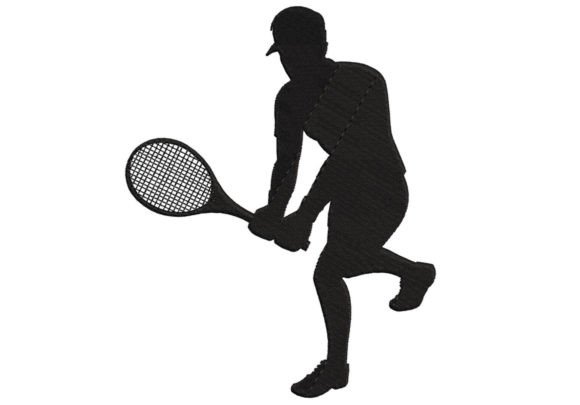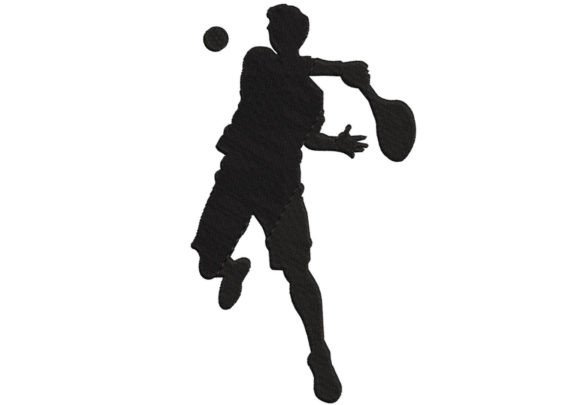
Tennis Logo Digitizing for a Winning Look
As an embroidery designer who has spent countless hours hunched over hoops, tweaking tension dials, and testing thread combinations, I have learned that not every digital file translates beautifully into thread. When I first encountered Tennis Logo Digitizing for a Winning, I was immediately intrigued by its promise to transform a simple emblem into a powerful statement of style and athleticism. For those of us running small shops or selling on platforms like Etsy, finding a design that balances professional polish with handmade charm is the holy grail. I decided to put this design through its paces, imagining how it would perform in real-world scenarios for my personalized gift clients.
First Impressions: Mood and Aesthetic Appeal
The initial vibe of Tennis Logo Digitizing for a Winning is undeniably energetic yet refined. It does not scream "generic sports clipart"; instead, it feels curated. The mood strikes a balance between modern athleticism and classic elegance, making it versatile enough for various demographics. For a baby product creator, this might seem unexpected, but consider the growing trend of "mini-me" sporty aesthetics. A subtle, well-digitized tennis motif on a onesie or nursery decor can appeal to parents who want to introduce their little ones to family traditions early on.
For wedding gift designers, the elegance lies in the execution. If the digitizing ensures clean lines and balanced stitch density, this logo can serve as a sophisticated monogram alternative for couples who met on the court or share a love for the game. It feels less like a uniform identifier and more like a lifestyle badge. This emotional connection is crucial when you are selling a personalized gift. Customers are not just buying a stitch pattern; they are buying a reflection of identity and passion.
Versatility Across Product Lines
One of the strongest aspects of this design is its adaptability. I mentally walked through my inventory of blank goods to see where this Sports themed Embroidery design would shine. Here is how I envision it performing across different categories:
- Personalized Towels and Aprons: An embroidered towel featuring this logo makes for a fantastic housewarming gift. The key here is ensuring the stitch density is not so high that it compromises the absorbency of the terry cloth. For aprons, it adds a playful touch to kitchen textiles, appealing to the host who loves a good match before dinner.
- Nursery Decor and Baby Embroidery: Imagine this design scaled down for a baby blanket or a pillow cover. It works exceptionally well for gender-neutral themes. However, when working with stretchy baby clothes, the stability of the digitizing becomes paramount. You want the design to move with the fabric, not pull against it.
- Wedding Keepsakes and Tote Bags: For a bridal shower gift, a canvas tote bag with this emblem stitched in metallic or pastel threads can elevate a simple accessory into a cherished keepsake. It suggests an active, healthy lifestyle for the newlyweds.
- Etsy Listings and Craft Fairs: As an Etsy seller, visual appeal drives clicks. This design offers a clear focal point for product photography. Whether displayed on a crisp white polo or a textured linen pillow, it provides a strong visual hook that communicates quality instantly.
Navigating Technical Challenges and Fabric Textures
While the aesthetic potential is high, we must address the technical realities of machine embroidery. Not every surface is forgiving. When reviewing Tennis Logo Digitizing for a Winning, I noted several areas where caution is required to ensure a premium finished product.
Fabric Texture and Stitch Density: If you are stitching on thick towels or plush blankets, you must check the stitch density of the digital embroidery file. High-density stitching on plush fabrics can cause puckering or sinking, where the threads disappear into the pile. Using a cut-away stabilizer is often necessary here to support the weight of the threads. Conversely, on smooth fabrics like performance wear or silk blends, a lighter density prevents the fabric from distorting.
Small Lettering and Delicate Details: Sports logos often incorporate text or fine lines. If this design includes small lettering, test it rigorously. Small details can easily become illegible if the thread color contrast is poor or if the needle size is too large for the detail. Always run a test on scrap fabric that matches your final product’s texture. What looks crisp on a screen may look muddy on a textured cotton.
Curved Surfaces and Stretchy Materials: Stitching on curved surfaces, such as the sleeve of a baby onesie or the pocket of a cap, requires careful hooping. Ensure your hoop size accommodates the design without stretching the fabric out of shape. For stretchy materials, using a proper stabilizer is non-negotiable. Without it, the design may warp after the first wash, ruining the perceived value of your handmade product.
Dark Fabrics and Thread Contrast: When working with dark fabrics, consider using an underlay stitch effectively to prevent the background color from showing through the top stitches. Compare light and dark fabric mockups before finalizing your product listings. A design that pops on white may vanish on navy blue if the thread colors are not adjusted for contrast.
Enhancing Giftability and Customer Trust
Why does the quality of digitizing matter so much for your bottom line? It comes down to perceived value. A cleanly stitched logo signals professionalism. When a customer receives a custom embroidery item where the threads are tight, the backing is neat, and the design is centered, their trust in your brand deepens. This emotional connection turns a one-time buyer into a repeat customer.
For small business owners, this design can be a cornerstone of your commercial embroidery offerings. It allows you to tap into the lucrative market of sports-themed gifts without the hassle of creating complex designs from scratch. However, always confirm commercial licensing before selling finished products. The product description mentions expert digitizers ensuring every detail, which suggests a high-quality digital embroidery file, but you must verify the license terms to ensure you are compliant when selling these items as small shop products.
Practical Steps for Implementation
Before you list this design in your shop or fulfill a large order, follow this checklist to ensure success:
- Test on Scrap Fabric: Never skip this step. Use the exact fabric type you plan to sell.
- Check Thread Color Contrast: Ensure the chosen palette stands out against the base material.
- Confirm Hoop Size: Make sure the design fits within your standard hoops to minimize re-hooping errors.
- Review Stitch Density: Adjust settings if the design feels too heavy for lightweight fabrics.
- Use Proper Stabilizer: Match the stabilizer to the fabric weight and stretch.
- Inspect Small Details: Check the finished product under good lighting to ensure no loose threads or missed stitches.
- Verify Licensing: Confirm you have the right to use this for commercial sales.
In conclusion, Tennis Logo Digitizing for a Winning offers a compelling option for designers looking to expand their sports-themed catalog. By paying attention to fabric texture, stabilizer choice, and stitch quality, you can transform this digital file into a stunning physical product. Whether it is adorning a wedding gift, a baby blanket, or a custom tote, this design has the potential to ace your brand presence and delight your customers with its blend of style and athleticism.